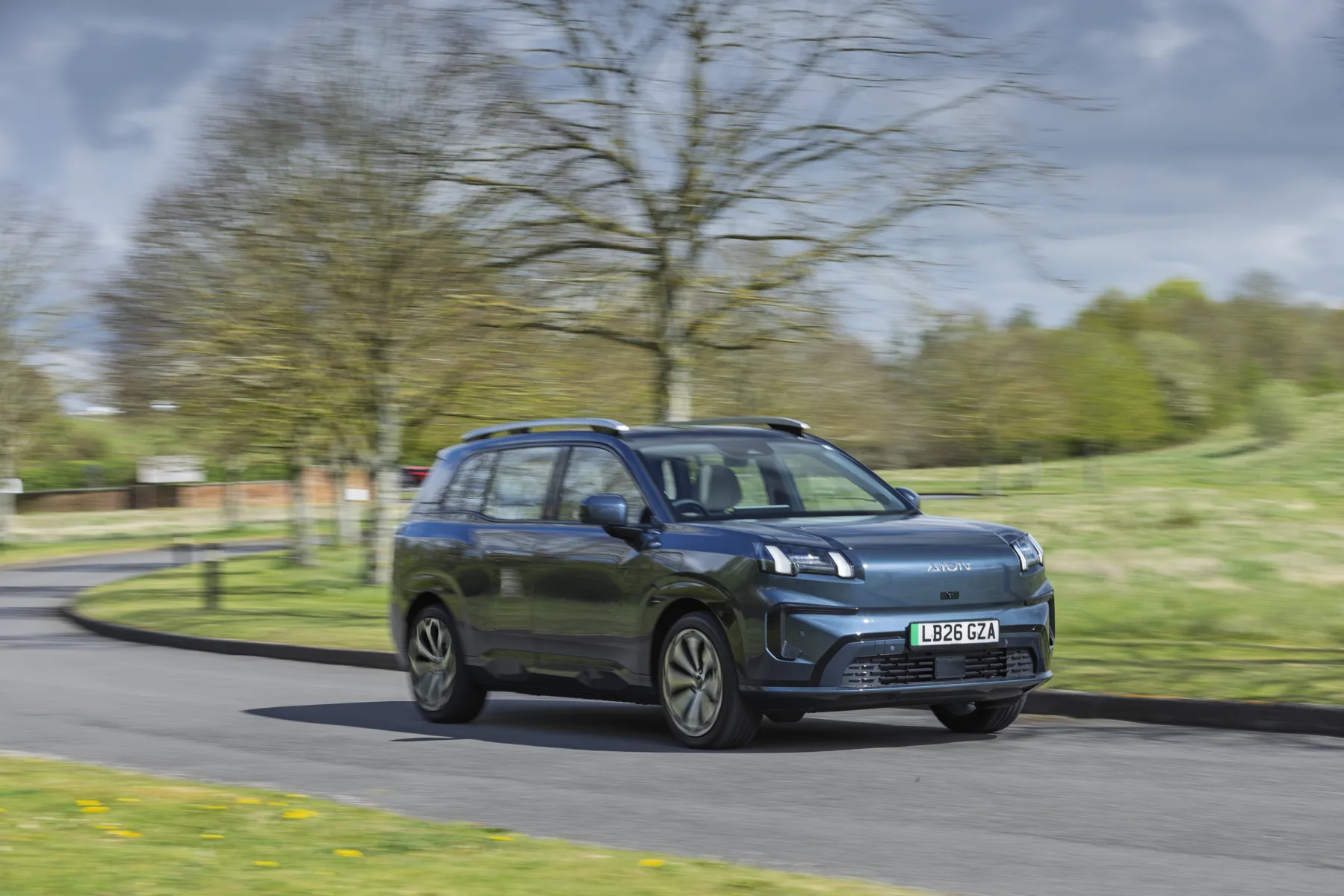
A whole-package AION V comparison covering useful equipment, charging arrangements, family journeys and the ownership services behind the local quotation.
AION Y family suitability compared with AION UT and V through passenger packaging, flexible seating, local energy specifications and everyday household use.
Compare the GS8’s seven-seat flexibility with five-seat and captain-chair alternatives through real family journeys, comfort, assistance and local support.
Evaluate GS7 as a weekly travel arrangement, connecting external charging, hybrid alternatives, cabin comfort, intelligent information and local ownership support.
Separate GS7, RAV4 HEV and RAV4 PHEV into clear buying choices, then compare charging, passengers, luggage, equipment and the complete local ownership arrangement.
A passenger-first GS7 and RAV4 comparison covering rear-seat needs, temperature, displays, audio, materials, assistance and the equipment used on real family journeys.
Assess AION i60 value through the complete family-SUV package: battery, charging access, passenger comfort, useful assistance equipment and support, with Chinese 2027 prices identified.
Compare i60 and Song Pro as complete plug-in ownership arrangements, separating electric distance, mixed-energy travel, charging opportunities and region-specific technical documents.
Evaluate XT80 through ordinary-road comfort, traction equipment, tyres, suspension choices and outdoor energy planning, using a route-based family-SUV comparison.
Assess XT80 and Prado as different complete family-SUV packages. Compare their ordinary energy routine, passenger features and outdoor equipment against the same household brief.
A current Australian comparison of AION V and the ATTO 3 family, linking generation identity, passenger priorities, WLTP range, charging and the complete local offer.
For the selected Chinese-market versions, AION i60's 350 km CLTC electric rating exceeds Song Pro DM-i Feichi's 301 km by 49 km, or about 16.3% relative to the BYD figure.
The i60's selected 350 km CLTC electric rating is higher than the Song Pro Feichi's 301 km reference, but range and replenishment answer different questions.
A family choosing between an XT80 proposition and a documented Prado offer needs to compare passengers, luggage, accessories and support as well as terrain hardware.
AION V and ATTO 3 EVO publish different luggage arrangements in Australia: GAC lists 427 litres behind AION V's rear seats, while BYD identifies 434 litres for EVO Dynamic and 490 litres plus a 101-litre front compartment for EVO Premium.
GAC's October developments bring a new ownership dimension to the AION V comparison: European assembly, parts operations and a service framework sit alongside the family SUV itself.
GAC GS7 configuration vs Toyota RAV4 illustrates an important change in the family SUV market: buyers can increasingly choose between different interpretations of a well-equipped electrified vehicle. The Mexican GS7 PHEV 4WD foregrounds a substantial battery and a passenger-oriented cabin, including a 15.6-inch screen and 22-speaker sound system. Toyota's US 2026 RAV4 Plug-in Hybrid XSE supplies a useful international benchmark with a 12.9-inch display and its own electrified equipment package. The GS7's strongest competitive argument is how much of the premium cabin experience is concentrated in one clearly specified grade.
GAC AION i60 leads the selected BYD Song Pro comparison on rated electric range: 350 km CLTC for the 2027 i60 range extender versus 301 km CLTC for the Song Pro DM-i Feichi version. The calculated advantage is 49 km, approximately 16.3%. Our market interpretation is that this gives i60 a specific role for buyers prioritising extensive electric daily use within a fuel-supported family SUV. Both version names and the CLTC label belong beside the result.
GAC AION V competes with BYD ATTO 3 through a coherent family package: a 510 km WLTP rating, substantial passenger accommodation and comfort equipment that is easy to explain in daily-use terms. Australia's ATTO 3 EVO update makes exact grades important: Dynamic is rated at 420 km WLTP, while Premium reaches 510 km and adds rear-wheel drive. My view is that GAC's clearest competitive position is the combination of energy flexibility and passenger amenities. Buyers should compare the whole grade, because a family EV creates value through several recurring benefits rather than one isolated specification.
Compare the Mexican GS7 4WD and US 2026 RAV4 PHEV XSE through phone setup, navigation, listening and charging routines, with specific hardware advantages kept in scope.
The 2027 AION i60 range extender has a longer published electric-range rating than the selected BYD Song Pro DM-i Feichi 301 km version: 350 km versus 301 km, both CLTC.
For a household that drives substantial distances between convenient charges, the 2027 AION i60 range extender has a clear reason to be shortlisted: 350 km CLTC electric range compared with 301 km for the selected BYD Song Pro DM-i Feichi.
The Australian AION V remains a compelling family EV because it combines passenger space, a 510 km WLTP rating and useful intelligent and comfort features.
The Australian AION V offers a strong family-trip proposition through passenger space, a 510 km WLTP range rating and useful intelligent and comfort features.
GAC XT80 and Toyota Prado represent two interesting approaches to the family adventure SUV market. XT80 introduces GAC's outdoor category to overseas customers, with the company's wider programme emphasising comfort and varied travel environments. The Australian Prado reference combines a diesel powertrain, a ladder-frame architecture and a clearly differentiated grade range. My assessment is that XT80's opportunity lies in a complete everyday-and-outdoor proposition. The most useful comparison examines how the selected local configuration serves passengers, routes and ownership routines, while Prado's published equipment provides a concrete reference for customers with specific touring and terrain priorities.
Mexico’s GS7 PHEV 4WD and the US 2026 RAV4 PHEV XSE offer different interpretations of a comfortable connected SUV. This comparison examines the equipment that supports each approach, explains where the GS7 has a persuasive case, and keeps the cross-market limits explicit.
A cockpit comparison should explain how information reaches the driver and passengers. This analysis uses the GS7 PHEV and RAV4 PHEV XSE to examine display allocation, control discoverability and audio choices, with particular attention to the useful opportunities in GAC’s richer cabin hardware.
Plug-in hybrid comparisons can become misleading when test cycles, trims and charging intervals are mixed. This analysis compares the documented GS7 and RAV4 propositions while explaining which numbers support a useful conclusion and which cannot establish a fair winner without additional evidence.
The GS7 and RAV4 use different exterior footprints, creating a meaningful packaging comparison. This analysis converts the official measurements consistently, explains why the GS7 belongs on a space-focused shortlist, and separates vehicle size from unverified claims about legroom, luggage and family comfort.
A rich equipment list can create real value, but a cross-market comparison needs more than price conversion and feature totals. This analysis evaluates the GS7 PHEV 4WD and RAV4 PHEV XSE through included functions, dependencies, local ownership support and the buyer’s repeated tasks.
A single AION V-versus-ATTO 3 verdict conceals several different Australian purchase decisions. Current EVO Dynamic and Premium differ in range, powertrain and cargo provision, while the researched AION V grades share their core electric specification. This analysis maps those choices before considering which buyer each proposition may suit.
A longer EV journey combines range, charger locations, arrival energy and passenger needs. The AION V and current ATTO 3 EVO grades offer different published inputs, but a useful buying comparison must turn those inputs into a route plan. This analysis distinguishes manufacturer declarations from hypothetical planning and actual measured performance.
Published luggage figures can make a comparison appear precise while leaving the most important family tasks unresolved. AION V and current ATTO 3 EVO provide different combinations of seating flexibility and storage. This article separates declared volume, usable shape, access and passenger occupancy to produce a more useful practicality judgment.
The current Australian ATTO 3 EVO Premium changes the technical comparison through a stronger rear-drive powertrain and an 800-volt architecture. AION V retains a different family-oriented package. This article explains what the published distinctions establish, which conclusions still require testing and how to connect the technology with a buyer’s needs.
A specification comparison becomes useful only when it is connected to actual grades, complete quotes and the household’s routine. This article develops a decision record for AION V and current Australian ATTO 3 EVO, separating essential requirements, preferences and unresolved ownership questions without inventing prices or a universal value winner.