Yes. The GAC AION Y is a good family-EV candidate when passenger usefulness and flexible everyday accommodation lead the brief. It occupies an interesting position beside the more compact AION UT and the longer AION V: the Y Plus combines a long-wheelbase cabin with a family-oriented seating and equipment proposition. I would compare the three by the jobs the household asks the cabin to perform, then match the energy and ownership package to those journeys.
This is a comparison of identified product references. The Thai Y Plus configuration, Philippine UT configuration and Australian V configuration describe different local products. Their dimensions help explain the layout choices, while the actual local quotation establishes which versions the buyer can order together.
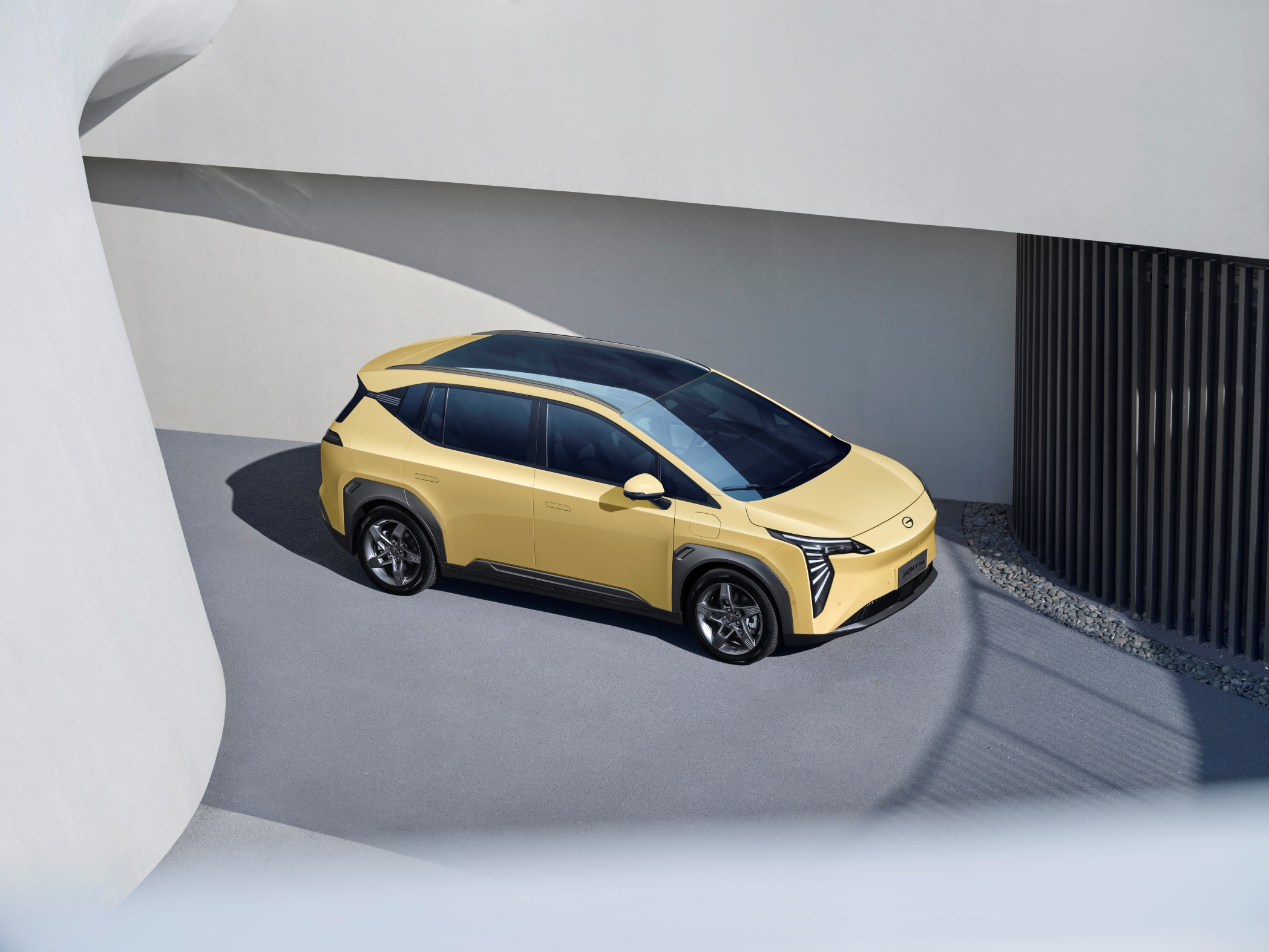
AION Y Plus official exterior photography from GAC Hong Kong. Photo: GAC. Original image and context.
Three family briefs within the AION range
| Model reference | Length and wheelbase | Useful starting brief |
|---|---|---|
| AION UT | 4,270 mm; 2,750 mm | Compact urban footprint with useful rear accommodation |
| AION Y Plus | 4,535 mm; 2,750 mm | Passenger-focused family use and flexible seating |
| AION V | 4,605 mm; 2,775 mm | Five-seat SUV comfort with a defined longer-journey energy proposition |
A model name or exterior style does not settle the household fit. These measurements show why the occupied cabin and the normal load deserve attention before a family assumes that the longest vehicle is automatically its best answer.
Why the Y Plus is a persuasive middle choice
The Y Plus's 2,750 mm wheelbase sits within a body longer than the cited UT but shorter than the V reference. This creates a useful comparison for a family seeking a substantial passenger environment while evaluating different exterior formats. The buyer should examine how the available space is organised rather than expecting a simple linear relationship between body length and comfort.
Set the regular front occupants in their normal positions in each car. Then place the rear passengers and examine posture, access and belts. Keep the exercise consistent so the resulting preference belongs to the household rather than to different showroom seat settings. The Y's family case is particularly strong when the second row will be occupied repeatedly by both children and adults.
This method can reveal why the Y deserves a direct recommendation for a specific brief. A family may appreciate the shape of the passenger space, the seating flexibility or the way its normal bags fit. Those benefits do not need to be translated into a claim that every dimension exceeds every other model. The clearer explanation is that the cabin performs the household's recurring jobs well.
Access can distinguish a family car from a specification winner
The GAC Hong Kong rear-seat guide describes the Y Plus's nearly 90-degree rear-door opening and straight roofline. For a family, these are practical details to examine because the tasks around entering and leaving happen on every journey. Helping a child, positioning a restraint or retrieving a bag can make access especially important.
Examine the doorway in the context of the parking places used most often. A wide opening is useful when the available space allows it to be used conveniently. Consider the normal arrival sequence and where passengers or objects wait while others leave the vehicle. The comparison should follow the household's real routine rather than the empty area around a display car.
UT and V should be examined through the same tasks. The family may favour one layout because it simplifies repeated access, even if a different vehicle has an appealing headline feature elsewhere. The Y Plus's access and passenger emphasis give it a substantial reason to remain on the shortlist throughout that comparison.
Flexible seating serves more than one household journey
The Hong Kong Y Plus configuration lists 40/60 split-folding rear seats and a fully foldable driver's seat back. GAC's European model comparison also discusses flexible seat arrangements. Those references make flexibility a concrete part of the Y's family proposition.
First, establish the occupied arrangement used most often. The car needs to carry the regular passengers and their usual belongings comfortably. Then examine an occasional larger load using the local vehicle instructions and the passenger positions still required. This keeps an attractive maximum-space demonstration connected to the actual journey it is meant to serve.
The family may also value a comfortable parked interior during a break or activity. Treat that as a separate configuration from normal seated travel and follow the supplied operating guidance. A versatile cabin is most useful when the owner understands the different ways it can be arranged. In this sense, Y's flexible-seating appeal complements its passenger accommodation rather than replacing it.
Comfort equipment has value through repetition
The referenced Y Plus specification includes automatic air conditioning, a second-row vent and front and rear USB ports. It also identifies a power-adjustable driver's seat and a panoramic sunroof with an electric shade. These are useful features to connect with the family's repeated journeys and the offered trim.
A school run or visit to relatives can involve passengers with different preferences. The useful cabin is the one which allows them to sit naturally, keep everyday items organised and use the relevant equipment without unnecessary interruption. The buyer should value the functions which serve those recurring needs rather than assuming that every additional feature matters equally.
Compare UT and V with that same set of passenger requirements. AION V may attract a family looking for its particular comfort package and charging proposition, while UT may appeal to a household placing compact external length first. Y Plus is persuasive when its cabin layout and supplied convenience features form the most comfortable whole for the actual occupants.
Energy figures need their original cycle labels
A family-EV comparison should keep the local energy configuration attached to the model. The Hong Kong Y Plus table lists a 63.2 kWh LFP battery and a 490 km NEDC range reference. The Australian V table lists a different battery configuration and 510 km WLTP combined range. These are identified references, not two numbers to rank directly without their cycles.
The practical buying exercise is to select the offered versions and connect them to the household's charging opportunity. Where can the car replenish during regular parking? What equipment or installation is required? Which longer journeys recur and where would the passengers prefer to stop? A clear answer makes the vehicle's energy specification useful.
This reinforces the Y's family recommendation. A comfortable passenger environment becomes an appealing complete car when the energy routine supports the same travel pattern. The household can then compare the actual local packages in a way that recognises its own priorities, rather than allowing an incorrectly mixed range table to decide the outcome.
Safety equipment should follow the selected vehicle
The Hong Kong Y Plus configuration names local restraint and safety equipment, including ISOFIX, side and curtain airbags, stability systems and a 360-degree camera. A family should examine the actual installation and operating information for the offered car, especially where child restraints determine the seating arrangement.
Different AION models also have their own assessment records. The AION V's Euro NCAP page and UT's 2026 assessment identify those vehicles and their protocol years. Keep each record with the model to which it belongs. This makes the comparison more specific and gives the family a useful route to examine the relevant evidence for its shortlist.
For Y, connect the local equipment, intended passengers and supplied instructions. Ask the representative to demonstrate the controls and indications used during ordinary driving and parking. The purchase case is strongest when the adults understand how to use the safety and convenience features accompanying the cabin they prefer.
A family load is more informative than an empty interior
Take the normal stroller, travel case or sports bag into the comparison where practical. Keep the required seats occupied and examine the load opening and the arrangement of objects. Include the smaller everyday items and where passengers will keep them during travel. The useful result is a whole journey, not an isolated photograph of either the seats or the luggage area.
Then review the local ownership offer. Identify the supplied configuration, applicable warranty and service route. Charging equipment and work at the property should have their own clear scope. A family can compare prices much more meaningfully when it understands the complete goods and services accompanying each car.
My view is that the AION Y Plus is a strong family-EV choice when its passenger-first layout and flexible seating serve the household's main jobs. UT and V provide useful alternative directions within the range, but the Y deserves to be judged on how naturally its cabin supports daily life. Choose the version which brings that accommodation together with a workable charging and local-support arrangement.
An illustrative three-model visit can keep the comparison focused
Imagine a family considering UT, Y Plus and V because all three appear relevant to electric daily travel. The buyer can prepare a single assignment covering the regular driver, rear occupants, normal stroller or luggage and the parking space at home. Each car then answers the same household story even though its product presentation highlights a different combination of features.
The UT examination begins with the appeal of a compact external length and the published rear-space emphasis. The Y Plus examination focuses on the passenger layout, access and flexible seating used by the household. The V examination brings its five-seat SUV comfort and specified energy proposition into the same assignment. These starting points help explain the range without deciding in advance that one model must be correct for every family.
Use the same front occupants and load objects in each vehicle. Record the seated relationship, access to restraints and the convenience of retrieving the normal bags. If the family prefers the Y's arrangement, explain that preference through the tasks it performs well. A natural second-row posture or a useful loading configuration is a legitimate reason to favour it, even where another vehicle has a more prominent specification elsewhere.
The local seller should then identify the versions which can actually be ordered. The buyer is comparing a concrete vehicle and ownership package, not a combination of the best features found in several countries. That clarity allows the Y Plus to be recommended strongly for a passenger-first family brief while still giving UT and V their useful, distinct places in the decision.
An ownership comparison should preserve each model's purpose
Once the cabin preference is clear, compare the relevant energy and support arrangements without abandoning the reason the vehicle was shortlisted. The family should know its regular charging opportunity, the local battery specification and the route to service. A car which fits the occupants well is a stronger complete choice when those arrangements also fit the household's travel pattern.
Keep range figures with their original cycles and versions. A NEDC reference and a WLTP reference describe different measurement bases, so the useful buying task is to examine the actual local cars and the journeys they will make. The family can choose a practical charging routine without forcing unrelated headline numbers into a simplistic ranking.
The quotation should identify the trim, included equipment and ownership terms. Put charging equipment and any property work on clearly described lines, with the responsible party identified. This allows the family to evaluate the total arrangement and prevents the attractive cabin demonstration from becoming disconnected from the order placed later.
AION Y Plus's strong family proposition can therefore remain intact throughout the comparison. The vehicle is being considered for useful passenger accommodation and flexibility, then supported by a workable local energy and service plan. The final preference should be easy for the household to explain: this cabin performs the recurring jobs comfortably, the offered equipment serves those jobs and the ownership arrangements make the car practical to use. That is a clear, positive recommendation built around family life rather than around a universal winner label.
Family comparison questions
Why consider Y if UT has the same published wheelbase?
Wheelbase is only one packaging clue. Body shape, seating arrangements, access and the household's load all influence usefulness. Examine the actual occupants and objects in each local vehicle.
Is the longest body always the best family purchase?
The family needs a comfortable arrangement for its own people and belongings, plus suitable parking and charging access. A different layout can serve that brief well without leading every external dimension.
What is the strongest reason to choose Y?
Its combination of passenger accommodation, flexible seats and useful convenience equipment can fit a family routine particularly well. The final decision should connect those cabin benefits to the actual local energy and ownership package.
Continue reading
- Is the GAC AION Y a good family EV? — Space, flexible seats and an easier family routine
- Is the space of GAC AION UT sufficient? — Compare occupied space with a BYD Dolphin reference
- GAC global after-sales service — Comparing complete support with warranty headlines
- All articles: Is the GAC AION Y a good family EV?
- Main guide: Is the GAC AION Y a good family EV?
Article context
Is the GAC AION Y a good family EV?
AION Y family suitability compared with AION UT and V through passenger packaging, flexible seating, local energy specifications and everyday household use.
Our editorial methodologySources & context
- AION Y Plus Thai configuration ↗
- AION Y Plus Hong Kong configuration ↗
- AION UT configuration ↗
- GAC Australia: AION V configuration ↗
- Y Plus rear-seat access ↗
- AION Y seating comparison ↗
- Euro NCAP: AION V 2025 assessment ↗
- UT assessment ↗
Manufacturer specifications, company announcements and independent assessments are linked above. Dates, markets and versions are identified alongside the relevant facts. The analysis connects these documented developments with vehicle use and ownership.
Read our editorial methodology