The 2027 AION i60 range-extended version has a longer CLTC electric-range rating than the BYD Song Pro DM-i Feichi 301 km version compared here. GAC AION's official configuration table gives 350 km CLTC, while BYD's product material gives 301 km CLTC. The 49 km difference supports the i60's appeal to buyers who prioritise electric driving within a fuel-supported family vehicle. AION separately specifies a large 45.37 kWh battery. [1][2][3] The comparison covers Chinese-market models available in recent 2026 information: the updated 2027 i60 range extender and the Song Pro DM-i Feichi 301 km trim. It does not mix the i60 battery electric version with a plug-in hybrid competitor. That scope keeps the comparison relevant to drivers seeking electric commuting plus longer-trip flexibility. The buying question is how the i60's battery capacity and electric-range capability contribute to real journeys. This guide focuses on the manufacturers' published range information, then connects it with commuting patterns, charging access and the complete ownership decision. A capacity comparison needs verified battery specifications for both exact versions.
At a glance
| China-market vehicle | Electric range | Battery capacity used here |
|---|---|---|
| 2027 AION i60 range extender | 350 km CLTC | 45.37 kWh |
| Song Pro DM-i Feichi 301 km | 301 km CLTC | No verified official capacity used |
| Published electric-range difference | 49 km; approximately 16.3% | No capacity ranking claimed |
Read the figures with their stated market, version and measurement scope. Check the original sources below.
Compare the current versions and the same range cycle
GAC AION's September 2026 information describes the updated 2027 i60. BYD's official current model page identifies Song Pro DM-i Feichi and publishes a 301 km CLTC range claim. Keeping these versions explicit avoids mixing the i60 with an earlier powertrain or comparing it with a shorter-range Song Pro trim. [1][3] Both electric-range figures used here are identified as CLTC in the cited model data. Keeping the same cycle provides a more consistent starting point, while actual road distance still depends on the vehicle, conditions and use. [2][3] The two powertrain descriptions also matter. A range extender uses an engine as an electrical-energy source alongside the battery. A plug-in hybrid uses a rechargeable battery and engine within its hybrid system. The owner experiences each through the vehicle's energy management and charging routine. For the specific question of battery capacity and rated electric range, the comparison can be direct. For overall driving character and fuel use, a broader model-specific assessment is needed.
Battery and electric range at a glance
AION's official release supports the i60's 45.37 kWh capacity and 350 km electric-range claim. BYD's official product page supports the Song Pro Feichi's 301 km CLTC claim. The comparison does not assign a battery-capacity advantage without a corresponding official capacity figure for the precise BYD version. [1][3]
The useful starting point is the job the battery has to do. Consider the distance covered between convenient charging opportunities and the reserve needed for changing plans. Published capacity and range help describe that capability, but they are separate measures: a larger energy store does not by itself establish a more efficient vehicle.
A large 45.37 kWh battery supports long electric range
The 2027 AION i60 range extender has a large 45.37 kWh battery. This gives its electric-driving proposition a clearly identified hardware foundation and makes it relevant to buyers who want to cover more of their routine through charging. Its practical value depends on the journeys and charging opportunities the household actually has. [1] For a buyer, a substantial battery can support flexibility between convenient charging opportunities. The practical benefit may be a longer daily route, more room for additional errands or a useful operating margin when conditions increase consumption. The complete vehicle's rated range helps put that capacity into a travel context. The value depends on the routine. A household that drives short distances and charges every night may already have its needs met by either vehicle. A driver with longer daily travel or less frequent convenient charging may place greater weight on the i60's substantial electric-driving capability. This is why battery information should lead to a usage discussion. A specification becomes valuable when it solves a repeated need. An owner who can explain how the i60's electric capability fits the working week has a stronger basis for choosing it than a buyer relying on an isolated capacity figure.
Long electric range: the i60’s 49 km CLTC advantage
The 2027 AION i60 range extender has a 49 km longer CLTC electric-range rating than the Song Pro DM-i Feichi 301 km version. This is the direct range advantage supported by the selected model data. [2][3] An additional rated margin can matter to a household whose normal day is already relatively long. It can also provide flexibility for an extra trip before the next convenient charging opportunity. The exact real-world difference will depend on how each vehicle is driven and the conditions it encounters. Battery capacity and rated distance should still be considered separately. Vehicle mass, aerodynamics, tyres, efficiency and the measurement basis influence the relationship between stored energy and travel. A responsible comparison identifies those measures clearly and keeps a rated-range advantage separate from a claim about lower real-world consumption. Buyers can therefore recognise the i60's advantage without reducing the decision to a single formula. The published figures identify a useful strength, while a broader demonstration establishes how the vehicle fits the household.
A commuting example makes the comparison easier to use
Suppose a household drives 50 km on a normal weekday. Over five weekdays, that is 250 km before weekend journeys. This is an illustrative travel pattern, not a claim about the average owner or a guaranteed charging interval. Both selected vehicles have CLTC electric ratings above that example distance. The i60 provides a larger rated margin, which may be relevant when the route changes or additional journeys are added. Actual planning should account for the conditions that affect road range and retain an appropriate reserve.
A household driving much less may place more value on price, cabin preference or local service. A household driving more may find the extra electric capability more important. The same specification difference can therefore have different value for different buyers. This is a useful way to approach the comparison: begin with a real distance requirement, then decide how much operating margin is worth paying for. It keeps the purchase centred on the owner's life.
Charging access determines how the battery is used
A large battery is most useful when the owner has a workable way to recharge it. Home, workplace or convenient destination charging can make electric use a routine part of ownership rather than an additional task. Before choosing between the i60 and Song Pro, identify where charging will normally happen. Consider access hours, parking arrangements and the equipment required. A convenient lower-power charging opportunity while the car is parked can be more useful than an inconvenient fast charger. The time needed to replenish energy depends on the car's charging limits, the charger and battery conditions. A battery-capacity figure cannot establish which vehicle completes a particular session sooner. Compare the starting charge level, target charge level and charging conditions, then consider how the stop fits the household's normal timetable. At the distributor outlet, ask for a demonstration of the cable, port and charging interface. The goal is to understand the full routine from parking to departure. A car that is easy to charge consistently will make better use of its electric capability.
Combined range answers a different question
AION publishes a 1,738 km combined-range claim for the updated i60 range extender. This describes the vehicle's fuel-and-battery proposition and supports its positioning for varied travel. It should remain distinct from the 350 km CLTC electric-range figure used in the direct comparison. [1] Combined range is useful when considering longer journeys, while electric range is more directly relevant to the amount of travel that can be planned around charging. Each figure helps with a different part of the ownership decision. A numerical combined-range comparison requires compatible starting conditions and test procedures. The i60's 1,738 km combined claim should therefore be read within its own official description, separately from the electric-range comparison. Route planning also depends on how frequently the owner charges and where refuelling or charging is convenient. [1] The practical point for owners is that both vehicle types provide a fuel-supported route for travel beyond their battery-only operating pattern. The choice then depends on how often that flexibility is needed and how the complete vehicle feels to use.
Cabin fit can be as important as the range margin
A family choosing between these vehicles should bring regular passengers to the demonstration. Set the front seats appropriately, assess the rear positions and test the required child restraints using the permitted installation arrangements. Then load the bags or equipment used on a typical trip. A vehicle's energy capability matters most when the people and belongings fit comfortably. The boot opening, seat-folding process and small storage spaces all influence everyday practicality.
For a household with several drivers, each should try the driving position and controls. Visibility and interface preferences can differ. A vehicle that works well for one driver should also be suitable for the person who takes over at the weekend. The i60's substantial battery and long published electric range provide clear reasons to shortlist it. A family fitting exercise shows whether those strengths sit within a cabin that meets the rest of the household's needs. Space, access and luggage handling give the range capability a useful everyday purpose.
Equipment should be compared at the same grade level
Both model ranges contain different configurations. A meaningful equipment comparison uses the versions actually being quoted and separates standard equipment from optional or grade-dependent functions. GAC AION and BYD's official model information provide the starting point for that discussion. [1][3] Start with the functions used most often: phone integration, parking support, climate control and any preferred seat features. Ask each distributor to demonstrate the same tasks. This makes the differences easier to assess than a long list of unfamiliar equipment names. Driver assistance deserves a clear explanation of operation and status. The driver should know when a function is available and what responsibility remains with the person behind the wheel. Additional sensing hardware should be connected with the actual functions delivered on the vehicle. The most useful package combines appropriate capability with an interface the owner understands. That judgement complements the published electric-range comparison and helps establish whether the complete vehicle fits the household.
Calculate value with a complete quotation
Consider the desired electric-driving capability alongside the quoted price of each exact vehicle. Request current written offers identifying model year, grade, included benefits and the conditions of any promotion. This connects the specification comparison with an offer the household can evaluate realistically. Then estimate ownership using your own annual distance and energy access. A driver who charges routinely and covers a long daily route may place considerable value on more electric capacity. Another may find both vehicles sufficient and choose according to cabin preference or total cost. Include insurance, maintenance and any required charging installation in the broader calculation. These are household-specific costs, so actual local quotations provide a better basis than general assumptions. Finally, consider the support network available to you. Convenient service and clear warranty terms add practical value throughout ownership. The strongest purchase balances the measurable vehicle advantages with the complete local offer.
Who benefits most from the i60 advantage
The i60 is especially worth considering for drivers who place a high value on electric daily travel within a fuel-supported family vehicle. Its 45.37 kWh battery and long published electric range become useful when the normal journey pattern calls for that capability. [1] It may also appeal to households that want a comfortable buffer for changing plans. An extra collection, a visit after work or a longer route home can all increase daily distance. A larger rated margin gives the buyer more capability to evaluate against those patterns.
The decision should remain grounded in actual use. A well-matched vehicle is one whose strengths are experienced repeatedly. The i60's electric-driving proposition becomes more persuasive when the buyer can identify how it supports commuting, additional errands and the regular interval between charging opportunities.
Frequently asked questions
Which i60 and Song Pro are compared? The comparison uses the Chinese-market 2027 AION i60 range extender and the 2026 Song Pro DM-i Feichi 301 km version. It keeps the powertrain and model-year scope explicit. [1][3]
What battery capacity does AION publish for the i60? AION's official September 2026 release states 45.37 kWh for the updated range-extended i60. To calculate a capacity difference against a Song Pro, use BYD's official technical specification for the exact Feichi grade being compared. A rated-range figure alone cannot establish its battery capacity. [1][3]
Which has the longer CLTC electric rating? The i60 is rated at 350 km and the selected Song Pro at 301 km. The difference is 49 km, approximately 16.3%. These are rated figures rather than guaranteed real-road distances. [2][3]
Does battery capacity alone determine running costs? Running costs depend on energy consumption, charging habits, fuel use and local prices. The i60's published battery capacity describes its energy store; the household's actual routine determines how that capability contributes to ownership value.
A clear electric range case for the i60
The 2027 AION i60 range extender combines a large battery with long published electric-driving capability. That makes it a compelling candidate for families who want to use electricity for more of their normal travel while retaining fuel-supported flexibility. The strongest decision connects the specified versions and range data with charging access, passenger fit and the complete local offer. [1][2][3]
Explore the subject further
Continue with these related guides:
- AION i60 vs Song Pro Feichi: Large Battery, Electric Range and Hybrid Architecture
- AION i60 vs BYD Song Pro for a Busy Week: Electric Range, Charging Gaps and Weekend Travel
- AION i60 vs BYD Song Pro: Where the 2027 GAC Builds Its Value Case
- GAC GS7 vs BYD Song Plus DM-i: Electric Range Compared on Mexico’s NEDC Figures
GAC Auto Guide: 2027 AION i60 Electric Range: How Its Large Battery Supports Everyday Driving.
Sources & context
- GAC AION: 2027 AION i60 launch information, 24 September 2026 ↗
- GAC AION: 2027 AION i60 official configuration table ↗
- BYD China: Song Pro DM-i Feichi official product information ↗
- BYD China: official Song Pro DM-i Feichi specification and equipment graphic, visually checked 11 October 2026 ↗
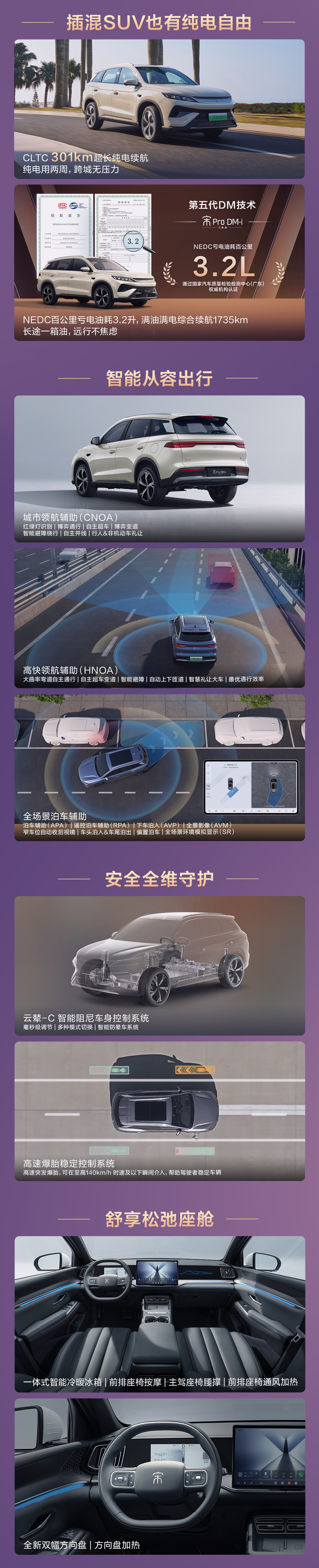
Manufacturer specifications and announcements are attributed as such. This article is desk research, not a road test. Model facts retain their stated market, model year and test method. Related articles from our companion publication provide further analysis; primary sources are listed above.
Read our editorial methodology