Yes. AION UT's space is sufficient to make it a serious compact-EV candidate for regular family and adult-passenger use. Its strongest argument is not simply that it belongs to a particular vehicle class. It is the way a 2,750 mm wheelbase and a compact body are combined with published rear-space and storage references. I would compare the occupied cabin with alternatives before deciding that a larger-looking car is automatically the better household fit.
Useful comparison references include the BYD Dolphin European presentation and MG's published MG4 launch specification. Each identifies a particular product presentation. The AION UT's local configuration, equipment and support package remain the basis for the actual purchase.
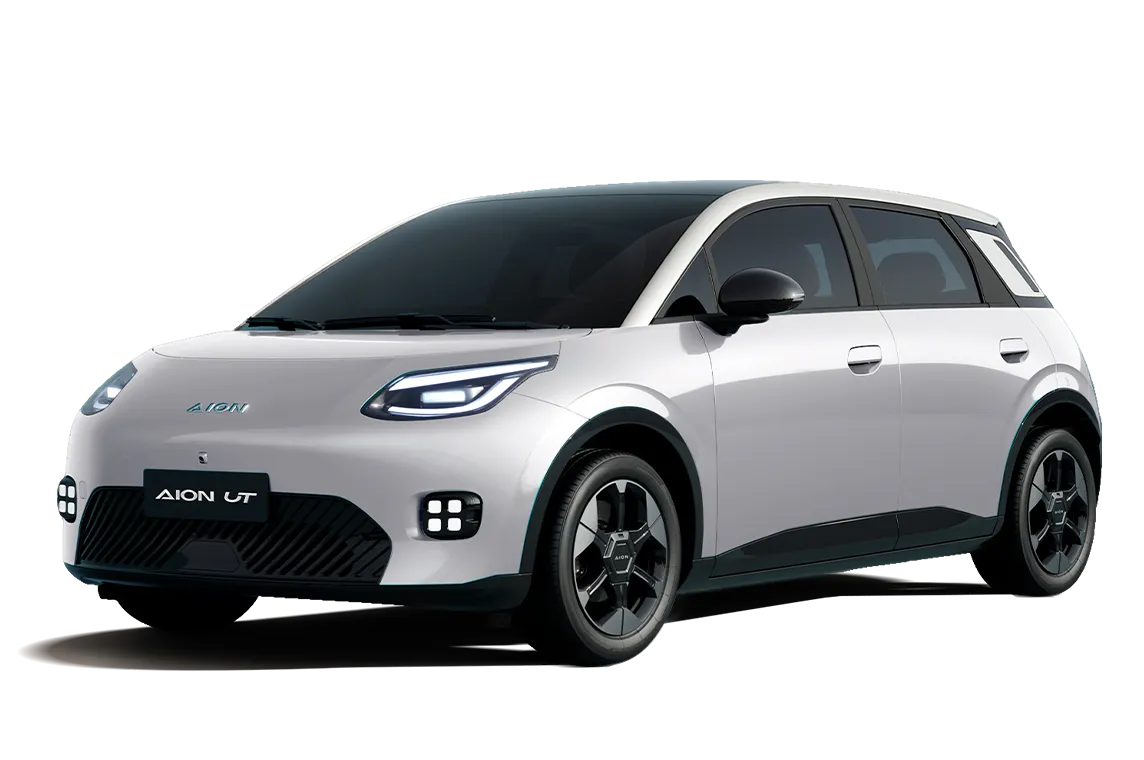
AION UT shown in Euro NCAP’s 2026 assessment photography. Photo: Euro NCAP. Original image and context.
Compare packaging clues, then examine the occupants
| Vehicle reference | Published wheelbase | What the buyer should investigate |
|---|---|---|
| GAC AION UT | 2,750 mm | Rear accommodation within a 4,270 mm body |
| BYD Dolphin European reference | 2,700 mm | The household's seating and luggage arrangement |
| MG4 published launch reference | 2,705 mm | The relationship between seat positions and the offered local car |
GAC's UT configuration and global product presentation provide the UT measurements. Wheelbase is a helpful design clue, while the physical seating arrangement determines whether the car suits the intended people.
Vehicle class is an introduction to the task
Descriptions such as hatchback, crossover and family EV help buyers organise a shortlist, but they are not measurements of occupied space. Two vehicles can be presented differently while asking the household to make similar decisions about seats, bags, access and charging. A useful comparison begins with those decisions rather than allowing the category label to settle them.
AION UT is interesting because its compact overall length sits alongside a wheelbase that encourages closer inspection of the second row. For an urban buyer, that combination could serve two priorities at once: a body suitable for everyday parking and a cabin useful for the people travelling inside it. The buyer should investigate both rather than assuming that one must come at the expense of the other.
The comparison should therefore follow a fixed household brief. Identify the regular occupants, the required child restraints and the normal luggage. Examine each candidate with that same information. This can produce a confident preference for the UT based on how it serves the actual journey, with a clear explanation of why its packaging matters.
An adult in the second row changes the questions
A car used mainly by one driver can be judged differently from one carrying adults in the rear several times a week. AION UT's published rear-space emphasis makes it particularly relevant to the latter task. GAC lists a 905 mm rear-legroom reference and a 1,385 mm rear-width reference in its global presentation, giving the buyer numerical starting points.
Begin by seating the regular driver and front passenger correctly. The rear adult should then examine foot placement, knee room and sitting posture behind those positions. Look at entry and exit as well as the static seating position. Repeated use may make a straightforward doorway and comfortable posture especially valuable.
If three rear passengers are part of the normal requirement, examine them together. The household needs a specific seating arrangement rather than an assumption drawn from one generous outer position. AION UT makes a strong case when its cabin allows the intended adults to sit naturally while remaining within the compact parking footprint the buyer wants.
A family comparison must include restraint installation
A family may need one or more child restraints, and their physical dimensions can change how the rear bench is used. The useful assessment follows the local vehicle and restraint instructions. Bring the intended restraint where practical and examine access, buckle use and the relationship with the front occupant's seat.
This is different from simply asking whether the car has five seats. The household needs to understand how its chosen combination is arranged and used repeatedly. The UT's long wheelbase and published rear-space measurements support the discussion, while correct installation and the actual people provide the final practical answer.
Safety evidence should be identified precisely. The 2026 Euro NCAP assessment records a five-star result for the assessed AION UT Premium left-hand-drive model. Connect that reference with the safety specification of the local vehicle. A buyer can then consider comfort, correct restraint use and the offered safety equipment as parts of one family decision.
Luggage should be measured by the journey it serves
The Philippine UT launch account describes a 440-litre boot and multiple storage locations. Those references are useful, but the buyer should examine how the household's load is carried with the required seats in use. A holiday case, stroller or sports bag has a shape that does not disappear into a capacity number.
Use the same objects in the competing cars. Load them into the normal occupied configuration and decide whether access is convenient. A buyer may prefer an arrangement that allows the regularly used bag to be removed first, or one that keeps a particular object stable and out of the occupied cabin. These are practical differences worth recording.
Maximum folded-seat space serves a separate task. Identify the passengers still needed before examining the expanded arrangement. A compact EV is most versatile when the owner understands how it can change from the ordinary passenger routine to an occasional larger load. The UT's hatchback format and storage emphasis provide a strong reason to investigate that flexibility.
Parking tests the outside of the same packaging decision
A spacious cabin is useful only if the owner can access it conveniently in the places visited regularly. AION UT's body length of 4,270 mm is relevant in urban parking, while the published 1,850 mm width should be considered beside the property's access and door-opening space. The buyer is evaluating a complete arrival routine, not just whether the vehicle can occupy a rectangle.
Think about home, work and the places used for weekly activities. Consider who gets out first, where the bags are retrieved and how charging is connected. A practical parking arrangement can make daily use feel easy even when the journey itself is short. That convenience belongs in the space comparison.
The attraction of UT is that its interior emphasis is not dependent on a particularly long body. A buyer seeking rear-passenger usefulness in a compact car has a clear reason to include it. The alternative should then be assessed against the same access and occupancy requirements rather than being given an advantage solely because its category name sounds larger.
Equipment should support the occupied cabin
Compare the offered seats, climate functions, storage arrangements and connectivity features. The Philippine UT presentation describes a specific cockpit and model configuration; the local seller should identify the equipment on the quoted trim. This keeps the comparison tied to the car that can actually be ordered.
A feature's value depends on who uses it and how often. Rear passengers may care more about their position and access to essentials than about a display specification. The driver may place more weight on understandable controls and useful information. The strongest equipment package makes the same occupied-cabin arrangement easier to live with throughout the week.
Energy capability belongs alongside these considerations. Review the battery and charging configuration available locally and connect it to regular parking and longer journeys. A roomy compact car is a stronger purchase when the household can also explain how it will replenish and where support will be obtained. This brings UT's space proposition into a complete ownership decision.
Let the household explain the final preference
After visiting the vehicles, write a short explanation of why one arrangement works best. It should identify concrete observations about the regular occupants, luggage and access routine. Keep the specification and local quotation beside that explanation so the offered configuration remains clear.
For AION UT, the resulting case may be that a compact body accommodates a useful second row and a manageable daily load. Its wheelbase and published space references make that a reasoned, positive proposition. The buyer can value the car for how it uses its footprint rather than judging it from a label or one attractive photograph.
A comparison with Dolphin and MG4 references is helpful when it prompts the right questions. The best answer is still the local car which serves the household most comfortably. UT deserves a serious place in that process, especially where urban parking and regular rear-passenger accommodation are equally important.
A three-car shortlist should begin with one household story
Imagine an illustrative household which needs a compact electric car for commuting and regular rear passengers. It has a fixed parking place, one recurring awkward item and an occasional longer visit to relatives. The story stays the same whether the buyer examines an AION UT, a Dolphin or an MG4. That consistency prevents a category label or a particularly memorable feature from replacing the real purchase requirement.
Prepare the seating arrangement first, using the regular driver and intended rear occupants. Ask the same people to assess each candidate and keep the normal belongings in view. Note which layout gives them a natural posture and convenient access. The exercise does not need to invent a numerical comfort score; clear observations about the actual users are sufficient for a useful preference.
Next add the recurring awkward object and examine the available load shape. A case, stroller or piece of sports equipment can expose a meaningful difference between otherwise similar-looking interiors. Keep the required seats available. The household should know whether the car performs its ordinary job before considering the occasional maximum-load configuration.
Finally, place the preferred arrangement in the regular parking space and charging routine. The result may explain a strong preference for UT because its passenger-focused packaging serves the whole story within a compact exterior. Another buyer can apply a different story, but this household's recommendation is now specific, understandable and connected to the product references used in the shortlist.
Choose the version that preserves the reason for shortlisting it
A product comparison can become unclear when the vehicle demonstrated and the vehicle quoted are not described precisely. Record the local model designation, trim and equipment schedule with the occupied seating and loading arrangement. If the seller proposes another version, review the details which contributed to the household's preference.
Pay particular attention to the practical equipment around the cabin. Seat adjustment, ventilation, storage positions and connectivity functions should support the people who will use them. A buyer who values UT's accommodation should ensure the offered package makes that space easy to use, rather than assuming that every published photograph describes the selected trim.
The same care belongs in the energy and support discussion. Identify the local battery and charging specification, relevant ownership provisions and service route. These complete the journey which the cabin is intended to serve. AION UT's long-wheelbase compact-EV proposition can be especially attractive when this whole arrangement is clear, allowing the household to recognise how passenger room, everyday equipment and ownership access fit together.
This approach gives the comparison a useful end point. The family can explain why the chosen configuration serves its recurring journeys, then use the same explanation at handover. It is selecting an orderable vehicle and ownership arrangement rather than simply declaring a winner among three names. That is the strongest practical meaning of a family-space recommendation.
One useful follow-up is to repeat the occupied-cabin arrangement with the household's second regular driver. Different preferred front-seat positions can change what the rear passengers experience, so keep each position identifiable rather than merging the two demonstrations in memory. Record which arrangement is used most often and which is needed for the longer family journey. This lets the buyer interpret UT's passenger-focused packaging through both ordinary users. The final preference can then recognise a cabin which serves the household consistently, with the intended people, their usual belongings and the local equipment kept together in the same configuration record.
Questions about class and space
Why not choose by overall length alone?
Body length includes areas beyond the axles and does not directly describe the occupied seating relationship. Wheelbase, seat positioning, width and load shape all contribute to useful accommodation.
Is a long wheelbase enough to recommend the car?
It is a strong reason to investigate the packaging. A positive purchase recommendation becomes more specific when the actual passengers and their belongings fit comfortably with the required seats in use.
Which buyer should look most closely at UT?
An urban buyer who needs regular rear-passenger usefulness, practical storage and a compact body has a good reason. The final comparison should use that same brief in every offered local vehicle.
Continue reading
- Is the space of GAC AION UT sufficient? — Compare occupied space with a BYD Dolphin reference
- Is the space of GAC AION UT sufficient? — Passenger space inside a compact city footprint
- Is the space of GAC AION UT sufficient? — From school bags to weekend luggage
- Is the space of GAC AION UT sufficient? — How wheelbase, seating and storage create usable room
- Is the space of GAC AION UT sufficient? — A day-by-day loading plan for a small family EV
- Is the GAC AION V worth buying? — Compare the family brief with the current ATTO 3 EVO
- GAC global after-sales service — Comparing complete support with warranty headlines
- All articles: Is the space of GAC AION UT sufficient?
- Main guide: Is the space of GAC AION UT sufficient?
Article context
Is the space of GAC AION UT sufficient?
AION UT compared with documented Dolphin and MG4 references through occupied seating, everyday loads and the way a compact EV uses its wheelbase.
Our editorial methodologySources & context
- AION UT configuration ↗
- AION UT global space presentation ↗
- BYD Dolphin reference ↗
- MG4 published reference ↗
- AION UT Philippine launch ↗
- AION UT assessment ↗
Manufacturer specifications, company announcements and independent assessments are linked above. Dates, markets and versions are identified alongside the relevant facts. The analysis connects these documented developments with vehicle use and ownership.
Read our editorial methodology