The GAC GS7 configuration is a particularly strong alternative to Toyota RAV4 for a household that treats passenger comfort as a central purchasing requirement. Its larger cabin package and comfort-oriented equipment give the comparison a useful focus: what do the people in the vehicle gain on ordinary and extended journeys? That question brings the GS7’s strengths into view more clearly than a contest based only on badge recognition or one power figure.
For Mexico, compare the current GS7 technical sheet labelled 2027 with the chosen RAV4 2026 configuration. The local RAV4 HEV and PHEV specifications are different products, and the powertrain should be identified before equipment is compared. The analysis below concentrates on the cabin and the way its functions support a family’s travel.
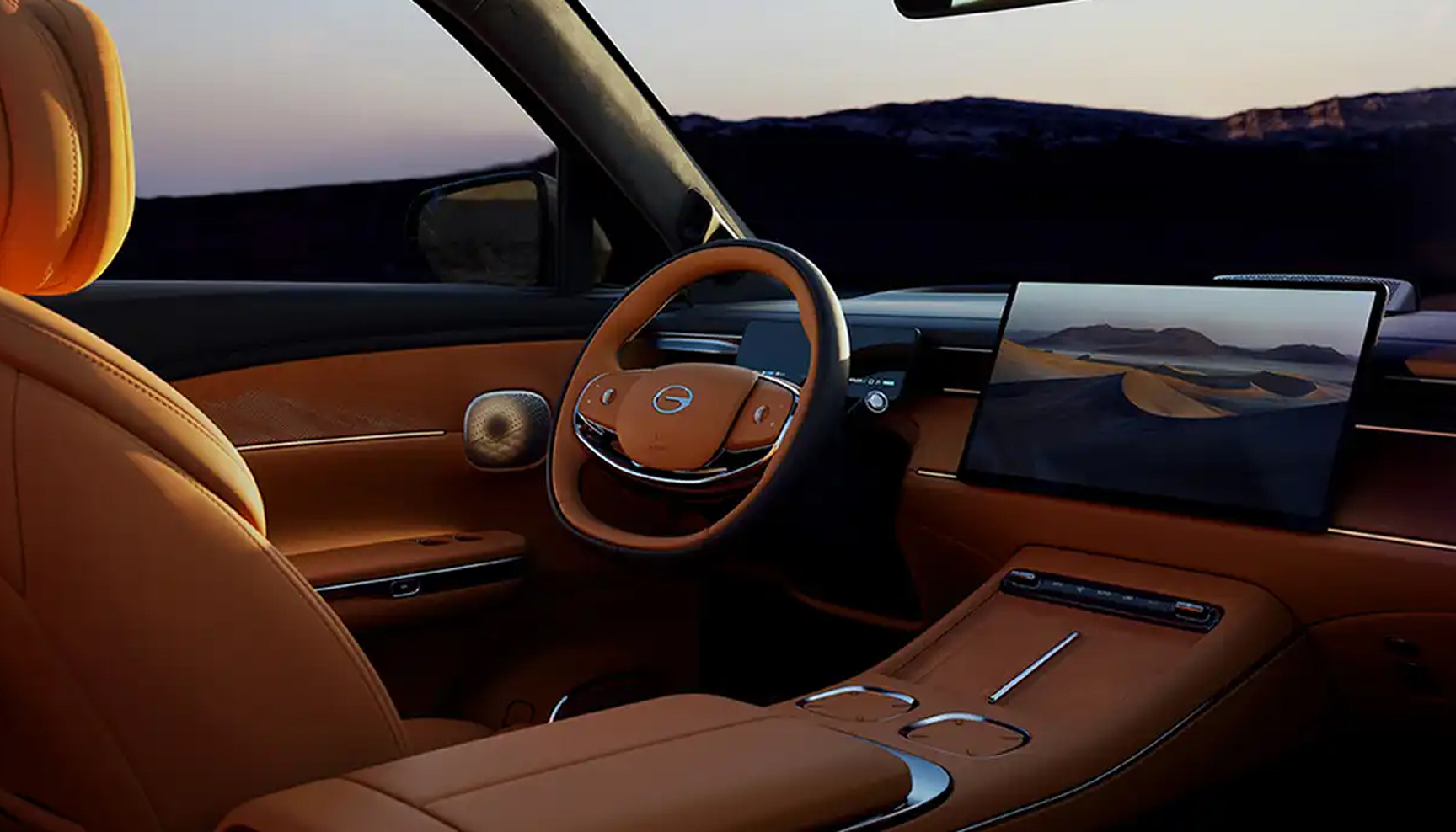
GS7 PHEV cabin presentation from GAC Mexico; equipment belongs to the selected specification. Photo: GAC Mexico. Original image and context.
Comfort is a configuration, not a single feature
The GAC GS7 product presentation highlights its interior and passenger equipment. The Mexican technical sheet establishes which items belong to the available configurations. Toyota’s RAV4 HEV and RAV4 PHEV brochures provide the corresponding local references.
| Cabin priority | What to examine in the GS7 | What to match in the selected RAV4 |
|---|---|---|
| Rear-passenger comfort | Actual seat functions and occupied space | The equipment of the chosen local grade |
| Driver information | Instruments, central display and available HUD | The same information tasks in the supplied vehicle |
| Shared entertainment | Included sound system and phone connection | Actual audio and connection specification |
| Personal climate preferences | Seat and cabin temperature functions | Controls used by the same passengers |
| Longer-trip organisation | Accessible storage and luggage arrangement | The same representative load |
This approach treats comfort as a connected set of experiences. A seat function, display or sound system earns its place when it improves the journey for the people who will use the vehicle regularly.
Give the second row a voice in the decision
The second row can be the most important place in a family SUV. Children spend school journeys there, relatives travel there on weekends and adults may use it for long visits. A vehicle comparison that ignores those passengers can overlook the main reason a household wants a more substantial cabin.
For the GS7, begin by setting the front seats for the regular drivers. Retain that arrangement while the rear passengers inspect their positions. They should consider space for feet and knees, the door opening, the seatback position and the small items they normally carry.
Then examine the seat functions supplied with the selected configuration. A feature may be especially valuable to an adult passenger on longer journeys, while a child-seat installation creates a different set of priorities. The buyer should connect the equipment with its actual user rather than assuming that every luxury function has equal household value.
Use the same process in the selected RAV4. A familiar model name does not determine how one particular passenger will experience one particular seat. The GS7’s larger package and comfort direction deserve to be examined through a consistent occupied-cabin comparison.
Temperature comfort has several layers
Cabin temperature is more than the number shown on a climate-control screen. Passengers experience airflow, sunlight, clothing, seat contact and the length of the journey. The useful configuration is one that lets the household manage those differences without repeated distraction.
The GS7’s published comfort features provide a basis for discussing these layers. Identify the exact equipment included in the local version and ask how the relevant controls are used. A feature becomes more attractive when the passenger who needs it can understand and operate it conveniently.
Consider a longer afternoon journey with adults in front and children or relatives behind. Different occupants may want different conditions. The driver should not become the sole operator of every passenger adjustment if the cabin provides an easier arrangement. This is a practical way to evaluate the comfort package.
The RAV4 comparison should follow the same scenario. Use its actual local specification and the same occupants’ requirements. The purpose is to choose a cabin whose controls and equipment support the family’s travel, not merely to count comfort-related words in a brochure.
A large screen should support a clear information hierarchy
The GS7’s Mexican technical sheet lists a 15.6-inch central touchscreen. Toyota’s Mexican RAV4 PHEV brochure lists a 12.9-inch audio touchscreen. These dimensions identify part of each interface, but the purchasing decision should examine how the complete information system works.
The driver needs a clear hierarchy. Driving information should be easy to locate, navigation should be understandable and repeated settings should have a familiar route. A passenger may use entertainment features while the driver concentrates on the road. The interface should make those roles clear.
Ask for a demonstration using an ordinary departure. Connect the regular phone, choose a destination and locate the functions used on the first few minutes of the trip. Then examine what happens when a camera view or assistance alert appears. The useful comparison is the driver’s understanding of the sequence.
For the GS7, a technologically rich cabin is a persuasive advantage when it makes that sequence coherent. The size of the display helps define the experience, while the arrangement of information determines how comfortably the driver uses it. The selected version should also identify any additional driver-display equipment.
Sound and conversation belong in the same cabin
An upgraded sound system can make a family journey more enjoyable, but the cabin also needs to support conversation and clear information. The buyer should consider where people sit, what they listen to and how the driver manages audio without losing track of the journey.
The GS7’s available audio direction is part of its comfort proposition. Ask the dealer to identify the system supplied with the actual version. Demonstrate the regular phone connection and the controls used to change volume, select content and return to navigation information.
For a household with several preferences, the arrangement of controls may matter as much as the number of speakers. One passenger may want music while another is resting or speaking. The family should understand how the selected system supports that shared space.
Apply the same questions to the RAV4 offer. Compare the audio equipment included in the particular local vehicle, not an optional system shown in another region. The GS7’s configuration becomes more compelling when its sound and interface choices suit the way the household actually shares a cabin.
Material impressions should be connected with daily use
The first impression of an interior often comes from colour, upholstery and a photograph. Those are legitimate parts of preference, but a family vehicle also needs an arrangement that feels usable after the initial selection. The GS7’s comfort-oriented presentation should be connected with the household’s routine.
Look at the places touched and used most often: the seat edge during entry, the armrest, storage lids and the controls reached during a normal trip. Consider how coats, bags and personal devices move through the cabin. A pleasing interior is more valuable when its organisation remains comfortable with people and belongings present.
Ask for care information appropriate to the supplied upholstery and surfaces. Keep the guidance with the vehicle documents. The owner does not need to improvise a different routine for each attractive finish; the purchase should include a clear understanding of the materials actually supplied.
The RAV4 comparison can be made through the same daily actions. The useful question is which cabin the family prefers to occupy and maintain, given the local specification. The GS7 deserves particular attention when its larger, more comfort-focused environment matches those preferences.
Passenger equipment should not distract from useful assistance
A comfortable SUV still needs a driver who can understand the vehicle’s surroundings and assistance information. The GS7’s equipment should be evaluated as a complete arrangement in which the cabin supports the people and the driving systems support the route.
Examine parking information in the conditions that matter to the household. A regular garage, school entrance or shopping area may place more value on a clear surrounding view than on a feature used only occasionally. Ask how the selected system is activated and how the driver interprets its presentation.
Then inspect the assistance functions used during a longer journey. Learn their status indications and adjustment controls. A function is most useful when the regular drivers understand the support it provides and continue to supervise it appropriately.
This gives the GS7’s intelligent-cabin positioning a practical meaning. It is not only a collection of screens and comfort functions. It is a way of organising information, assistance and passenger needs so that the household can use the vehicle comfortably across different kinds of trip.
A passenger-first selection exercise
Imagine a family whose vehicle regularly carries an older relative in the second row. The driver values clear information and easy parking, while the relative values a comfortable position and a calm environment. Longer weekend trips are common, and the vehicle can charge at the household’s normal parking place.
For this brief, I would place the GS7 prominently in the comparison. The cabin size, passenger-comfort direction and plug-in format address several requirements together. The selection appointment should give the rear passenger time to examine the actual offered seat and its controls.
The RAV4 PHEV can be compared against the same charging and passenger brief. If the household instead considers RAV4 HEV, identify that as a different energy arrangement before comparing the cabin. This keeps the product choices clear.
The final decision should record which specific requirements the chosen version satisfies. A useful quotation names the seat equipment, displays, audio, assistance and accessories supplied. The owner can then connect the online comparison with the vehicle collected from the dealer.
Ownership support helps preserve the comfort advantage
The benefits of a sophisticated cabin are easier to enjoy when the household knows how its functions are explained and supported. GAC Mexico’s after-sales information provides a route for discussing service, maintenance and follow-up with the local dealer.
At handover, demonstrate the functions that shaped the purchase. Include the regular drivers and, where useful, the passengers who will operate their own comfort controls. Keep the relevant manual and service contact easy to find.
This completes the GS7’s passenger-first case. Its equipment should be selected because it improves the journeys the household actually makes. When the larger cabin, comfort functions and intelligent information fit those journeys, the vehicle offers a coherent reason to choose it over a differently configured RAV4.
A comfort demonstration should include a transition
The most revealing cabin demonstration is often the transition between two ordinary states. Begin with the vehicle set for a driver travelling alone. Then add the rear passengers, their bags and the temperature preferences they bring to the journey. Observe what must be changed and whether those changes are easy for the intended users to make.
Next imagine the longer return trip. One passenger may be resting, another may want a different audio level and the driver may be following navigation through an unfamiliar area. The cabin should support these activities as a shared environment. A seat function or display earns its value through the way it helps the occupants coexist comfortably.
For the GS7, this exercise gives the larger package and comfort equipment a clear purpose. The household can identify which functions improve a repeated transition and which are simply attractive additions. It can then choose the actual specification with a more precise understanding of what will be used.
Perform the same transition in the selected RAV4 configuration. This keeps the comparison fair while allowing the GS7’s passenger emphasis to be assessed directly. The final equipment decision should describe the occupied journey the buyer prefers, with the appropriate plug-in or hybrid routine and local support attached. That is a more durable comfort argument than choosing from an empty-cabin photograph or the longest equipment list.
Questions about the cabin comparison
Is the GS7’s screen the main reason to choose it?
The stronger case is the complete cabin: passenger accommodation, useful comfort equipment, clear driver information and the way the household uses them together. The screen is one element of that arrangement.
Why examine the second row before ordering?
It may carry the people whose needs most strongly shape the purchase. Set the front seats consistently and inspect the actual local version so that the comparison represents the family’s real seating arrangement.
How should equipment differences be valued?
Prioritise functions used repeatedly by the actual occupants. A feature that makes a frequent journey more comfortable or a regular task easier can be more valuable than a longer list of rarely used items.
Continue reading
- GAC GS7 configuration vs Toyota RAV4 — Three powertrain paths for a family SUV purchase
- GAC GS7 configuration vs Toyota RAV4 — Passenger space and the Mexican HEV comparison
- GAC GS7 configuration vs Toyota RAV4 — A local plug-in comparison of battery, cabin and equipment
- GAC GS7 configuration vs Toyota RAV4 — The energy and interface system behind the feature list
- GAC GS7 configuration vs Toyota RAV4 — A home-to-highway plan for the complete family configuration
- What about the core technology of GAC? — Comparing the complete engineering stack
- GAC global after-sales service — Comparing complete support with warranty headlines
- All articles: GAC GS7 configuration vs Toyota RAV4
- Main guide: GAC GS7 configuration vs Toyota RAV4
Article context
GAC GS7 configuration vs Toyota RAV4
A passenger-first GS7 and RAV4 comparison covering rear-seat needs, temperature, displays, audio, materials, assistance and the equipment used on real family journeys.
Our editorial methodologySources & context
- GAC Mexico GS7 product information ↗
- GAC Mexico GS7 2027 technical specification ↗
- Toyota Motor Sales de México: RAV4 HEV 2026 brochure via authorised dealer ↗
- Toyota Motor Sales de México: RAV4 PHEV 2026 brochure via authorised dealer ↗
- GAC Mexico after-sales information ↗
Manufacturer specifications, company announcements and independent assessments are linked above. Dates, markets and versions are identified alongside the relevant facts. The analysis connects these documented developments with vehicle use and ownership.
Read our editorial methodology