Tony Jaa, Bie Thassapak and Dingdong Dantes appear in distinct official M8 records. Their roles introduce a comparison of passenger comfort, family flexibility and business use.
Is the GAC AION V worth buying? In Australia, the AION V Premium makes a strong shortlist for buyers wanting its published 510 km WLTP range without moving to GAC's Luxury grade.
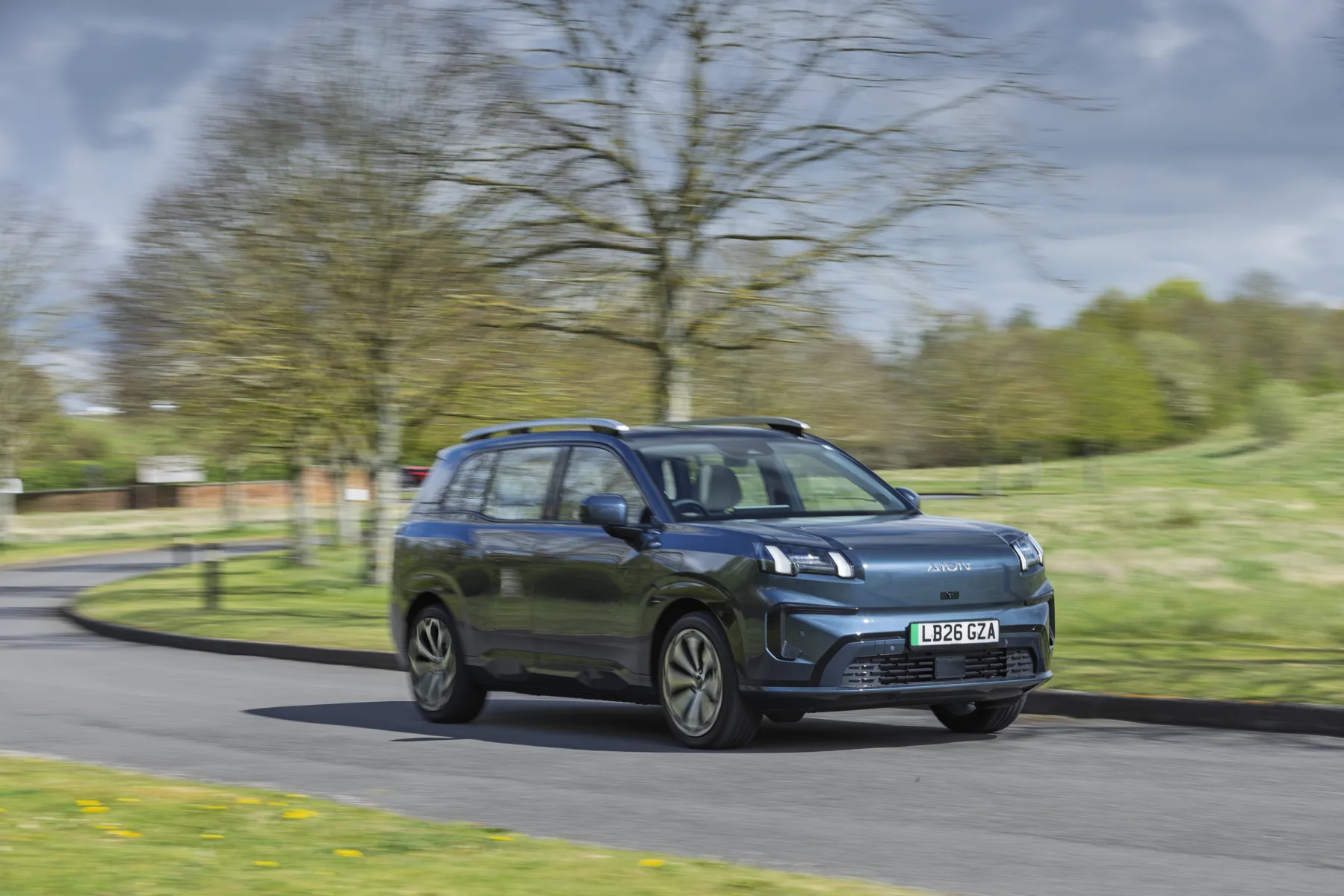
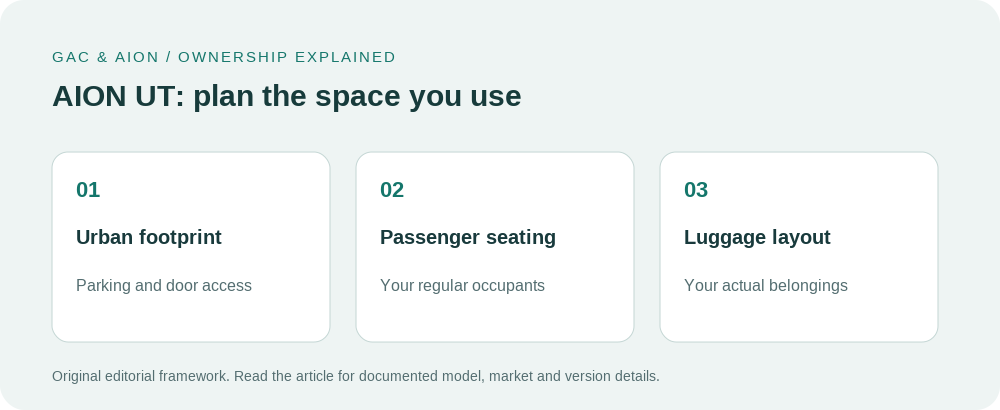
Is the space of GAC AION UT sufficient? Its European specification makes a credible case for buyers who want a relatively long wheelbase within a shorter car: the UT is 335 mm shorter than the European AION V, while its wheelbase is only 25 mm shorter.
Is the space of GAC AION UT sufficient? For cargo, answer two questions separately: will the objects fit, and will the complete loaded car remain within its permitted mass? GAC Europe's UT page publishes useful luggage and weight information, while its AION V table shows why larger external size does not automatically settle a cargo comparison.
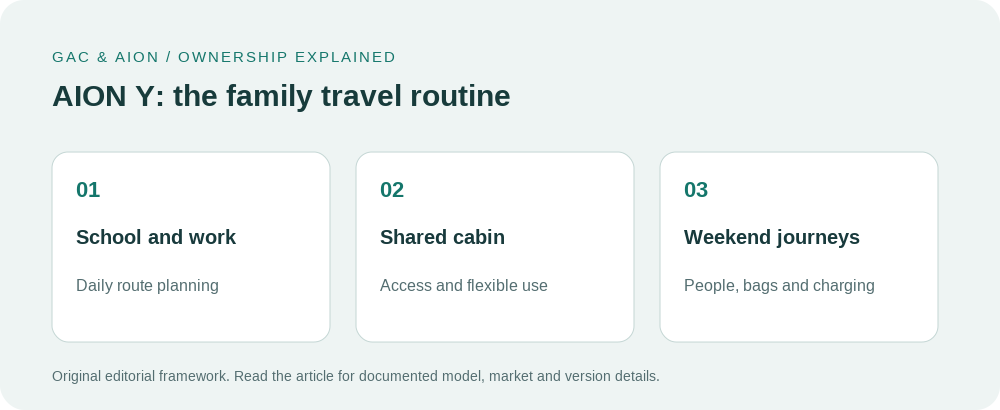
Is the GAC AION Y a good family EV? The Hong Kong AION Y Plus Basic specification supports a credible family-use case through five-seat accommodation, rear ventilation and flexible seating.
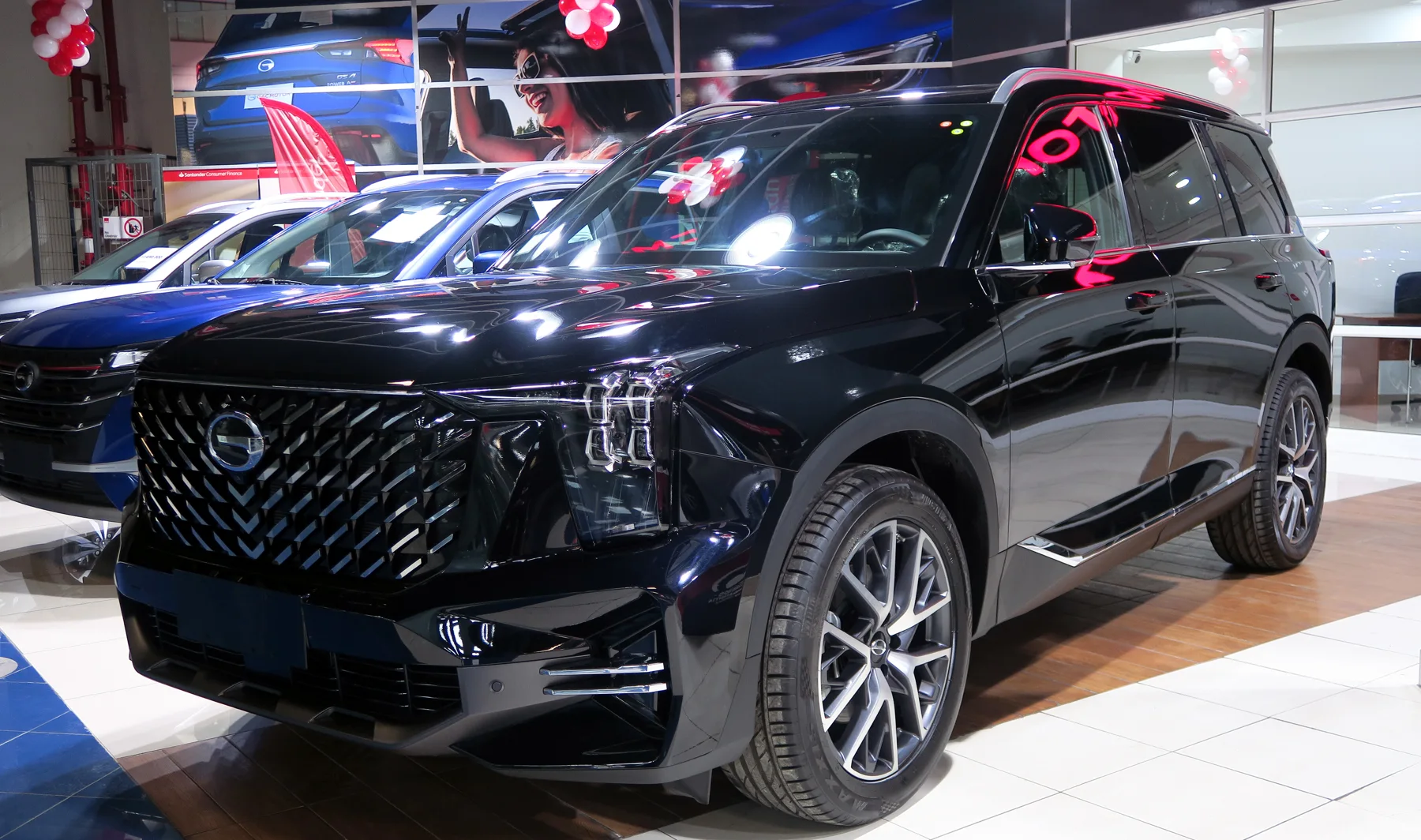
GAC explicitly identifies Bie Thassapak as a celebrity M8 PHEV owner at its Thai launch and documents a right-hand-drive M8 PHEV key handover to Tony Jaa in July 2026.
AION i60's value proposition includes a choice between battery-electric travel and a range-extended arrangement within the same Chinese-market model family.
XT80's mixed-use proposition should be assessed across the whole journey, including the paved approach, suitable outdoor access, stationary use and return trip.
An industry assessment of how the 7-seater petrol GS8 combines a common mechanical package with differentiated access, comfort and assistance equipment.
A comparative buying argument for households that want their electric SUV to reduce everyday transport effort, with current Kia and BYD alternatives and a transparent decision exercise.
AION V and the current Australian MGS5 EV Essence 62 kWh solve family practicality differently. This comparison follows loading, passenger comfort and changing duties through one departure.
A precise Australian comparison of AION V Premium with the published MY27 EV3 Air Long Range, explaining when the GAC remains the better household purchase despite Kia’s higher range declaration.
A current Australian comparison for buyers who want useful capability without automatically moving to the highest trim, focused on the actual AION V Premium and BYD EVO Dynamic.
A defined five-year purchase framework that compares current Australian warranty documents, servicing offers and the practical cost of reaching help, without inventing reliability or resale forecasts.
The GAC AION V makes a strong buying case for a family prioritising comfort and a complete electric ownership package. Europe’s published specification combines 510 km WLTP range, 180 kW peak DC charging and a heat pump, while 2025 Euro NCAP testing supplies independent safety evidence. Our view is that its competitive position is a practical, well-equipped family SUV. Compare the local purchase offer, installed equipment and support package together to judge its value against the alternatives available in that market.
AION UT’s space is sufficient for many small-family and urban uses because it concentrates a substantial cabin and normal-use luggage capacity inside a compact footprint. The European figures are five seats, a 2,750 mm wheelbase and 440 litres of boot space with the rear seats in use. Our packaging assessment is that the model’s appeal comes from this combination. The 1,600-litre folded-seat figure describes its alternative cargo configuration and adds occasional carrying flexibility.
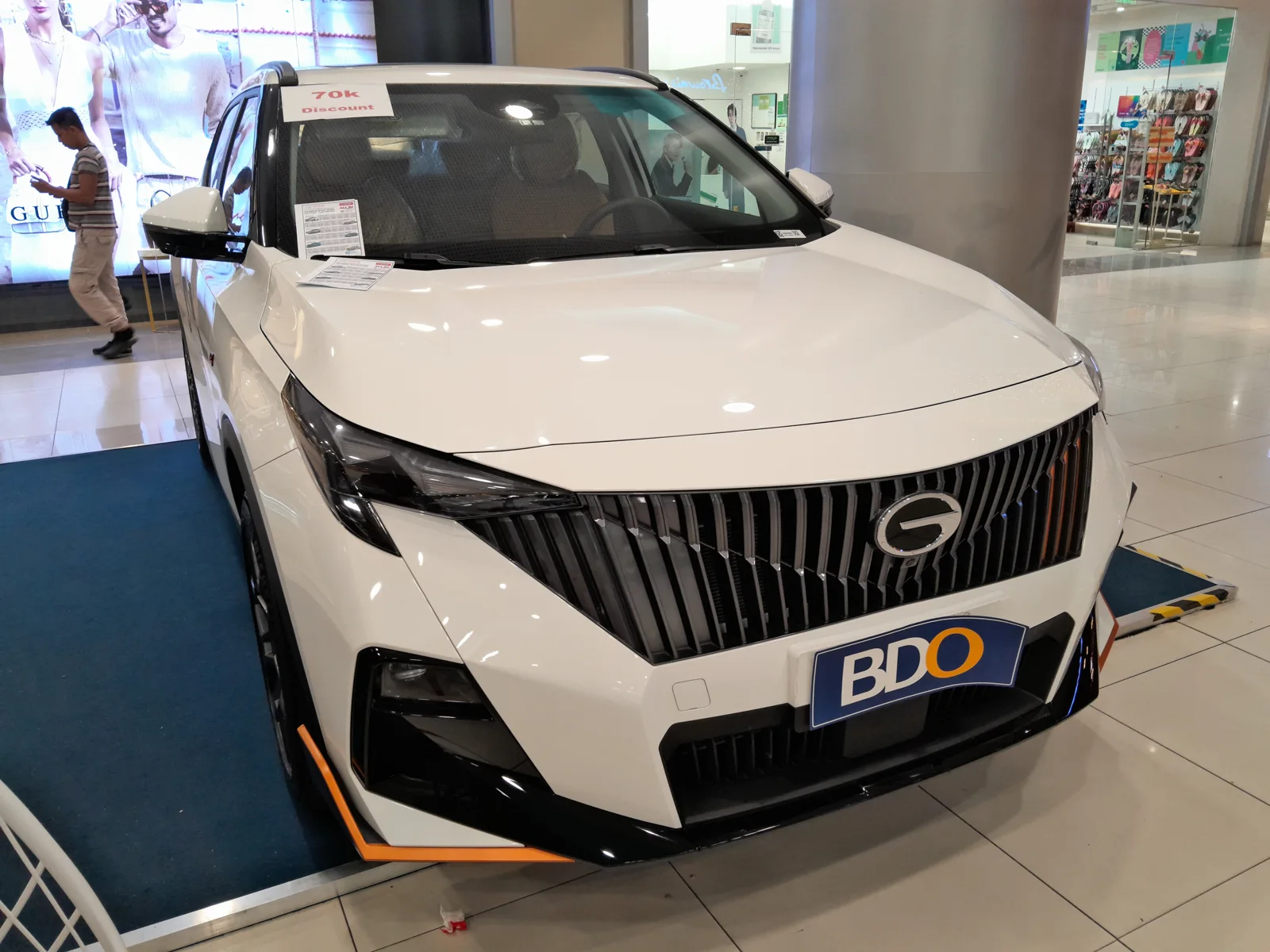
GAC GS8 makes a credible 7-seater intelligent-SUV case through a combination of capacity, conventional long-trip convenience and grade-specific assistance. The Kuwait petrol model has seven seats, a 2,920 mm wheelbase and an eight-speed automatic, while GT and GX grades add adaptive cruise and lane support. Our assessment is that its position is flexible three-row family transport. The equipment comparison should therefore connect the quoted grade with passenger use and the large-SUV tasks the technology helps complete.
Compare GS8 GL, GT and GX with Highlander XLE and Limited by displays, assistance, cameras and passenger convenience rather than badge-level assumptions.
Follow a family journey from loading and cabin setup to refuelling and arrival, comparing the Kuwait petrol GS8 with the locally specified Highlander Hybrid.
The 2027 AION i60 is worth comparing on value because it combines a mass-market Chinese price position with substantial rechargeable capability and current driver-assistance development. GAC’s 16 September report cites a temporary RMB 103,600–134,800 promotional span. The range extender’s 45.37 kWh battery and 350 km CLTC electric rating give the comparison a specific hardware basis. Our assessment is that its position is accessible family transport with a strong electric-use proposition, judged against the exact grade and offer.
Compare the Australian AION V with the listed ATTO 3 Essential and Premium configurations, focusing on the tasks that make family ownership straightforward.
An Australian comparison of range, energy use, practicality and support that explains when AION V’s reassuring ownership proposition is worth prioritising.
GAC AION Y’s clearest family-EV position is spacious, adaptable passenger transport. The Hong Kong Y Plus combines a 2,750 mm wheelbase, five seats and a 63.2 kWh LFP battery with a 490 km NEDC rating. Our assessment is that its value should be judged through cabin utility, local equipment and a workable charging routine. Those priorities put the model in the part of the family-EV market where repeated passenger convenience has strong everyday value.
The AION V’s buying case should survive comparison with the current alternatives, including the updated Australian BYD ATTO 3 EVO. Its opportunity lies in a balanced family package and useful cabin equipment. This analysis explains how to compare that proposition without relying on outdated range or charging advantages.
Brand familiarity can influence an EV shortlist, but it is an incomplete substitute for model-specific evidence. The AION V’s 2025 assessments allow buyers to examine a named vehicle and defined test scope. This article considers what that contributes to value while avoiding unsupported comparisons with a newer rival generation.
The AION V and current BYD ATTO 3 EVO both use lithium iron phosphate batteries in the researched Australian specifications. That makes chemistry a shared starting point. This analysis explains why pack capacity, charging behavior, vehicle efficiency and the household routine are needed before drawing a useful buying conclusion.
The current EV market offers different ways to spend a similar vehicle budget. AION V places useful cabin equipment within a family-oriented proposition, while alternatives such as ATTO 3 EVO Premium advertise stronger acceleration capability. This article explains how to choose between those priorities without inventing a universal winner.
A new EV can have a strong specification while leaving buyers uncertain about ownership. The AION V should be assessed through three distinct questions: what the written coverage provides, what is known about reliability and how practical local support will be. This article explains why those questions should not be collapsed into one brand judgment.
Family EVs can prioritize different combinations of cabin flexibility, performance and connected equipment. A cross-market study of Hong Kong’s AION Y Plus and Australia’s BYD ATTO 3 EVO shows why the AION’s family case should be judged by household tasks rather than an acceleration contest.
The Hong Kong AION Y Plus range shows why family-safety discussions need exact grades. Core restraint and airbag provisions are joined by additional driver assistance on the dealer’s Premium specification. Comparing that structure with Australia’s ATTO 3 EVO reveals the limits of brand-level safety shorthand.
The AION Y Plus and ATTO 3 EVO show how range figures can be accurate yet unsuitable for a simple ranking. This cross-market analysis keeps NEDC and WLTP separate, then compares the practical decisions that matter to families: charging access, busy-day travel and the value of a larger battery.
A family cabin needs clear information and easy everyday tasks, not simply a large central display. Hong Kong’s AION Y Plus and Australia’s ATTO 3 EVO distribute screens and connectivity differently. This analysis explains how to judge those choices through driver, passenger and shared-device needs.
The AION Y Plus and ATTO 3 EVO illustrate two different upgrade paths: extra equipment around a shared core specification, and grades that also change the drivetrain. This article shows how families can compare those strategies and give the AION’s practical package a fair value assessment.
The GS8 and fifth-generation Santa Fe offer useful examples of large family-SUV packaging. Official dimensions provide a factual starting point, but they cannot identify the more comfortable third row on their own. This comparison explains how exterior size, cabin allocation and daily access should be assessed together.
A petrol GS8 and a Highlander Hybrid can both appear on a family-SUV shortlist, but their powertrain labels do not settle the purchase. This analysis uses the Kuwait GS8 and Toyota UAE Highlander as documented examples, separating passenger needs, driving pattern and local support from unsupported fuel-economy comparisons.
Driver assistance, displays and parking systems are often grouped under one intelligence label. Using official GS8 and Santa Fe material, this analysis separates their roles and explains how a family buyer can compare useful support without treating a feature list as proof of autonomous capability or superior safety outcomes.
The family-SUV market offers different ways to allocate three rows. GAC's market-specific GS8 layouts and Hyundai's six-seat Santa Fe example show why seat count and individual-seat comfort should be considered as separate decisions. This analysis focuses on household capacity, access and the cost of losing a required place.
Cargo capacity is useful only when the measurement describes the seating arrangement a family will use. GS8 and Santa Fe specifications illustrate why a responsible comparison must distinguish occupied rows, folded seats and loading access. This article provides a practical way to assess the two SUV families without inventing a volume winner.
A low Chinese launch price and a European electric-range figure can make an attractive comparison headline while describing different products in different markets. This analysis uses the i60 and ATTO 3 to show how to build a useful comparison without inventing a universal bargain or winner.
The i60 range extender and RAV4 Plug-in both connect electric driving with a second energy source, yet a useful comparison must explain their documented operating propositions and markets. This analysis focuses on charging access, long-trip flexibility and the evidence needed for a fair ownership judgement.
Battery size is concrete and easy to compare, but it does not by itself reveal charging convenience, practical travel distance or ownership cost. Using official i60 and ATTO 3 specifications as anchors, this article explains where capacity creates value and where a simple price-per-kilowatt-hour ranking fails.
Family-car comparisons often mix luggage litres, wheelbase and comfort features into one impression of space. This article uses i60 and Toyota RAV4 documentation to separate those measures and explains how a household can compare complete passenger-and-cargo tasks without inventing a dimensional winner.
Modern family vehicles increasingly describe themselves through software platforms, sensors and intelligent functions. This analysis uses i60 and Toyota RAV4 official material to distinguish technological development from the functions a buyer receives, then examines how usability and support affect value after purchase.