AION i60's value proposition includes a choice between battery-electric travel and a range-extended arrangement within the same Chinese-market model family. The 2027 table identifies 520 km and 700 km CLTC battery-electric ratings and a separate 350 km CLTC battery-only rating for the range extender. Our view is that this choice can be valuable because buyers have different charging circumstances. The right price is attached to the architecture that suits the job, not simply the lowest advertised model entry. [1][2]
Choose the energy arrangement before the accessory list
The official i60 table places different energy architectures inside one range. [1] A buyer can therefore research a familiar vehicle format while deciding how electricity and fuel would contribute to its use. That can simplify a shortlist, but it does not remove the need to understand the selected powertrain.
Start with parking and travel rather than with the longest trip imaginable. Identify reliable charging locations, typical distances and how frequently the exceptional journey occurs. A household with convenient charging may assign substantial value to a battery-electric version. Another may prefer the fuel-supported flexibility of a range extender. These are different priorities, not evidence that one owner is using the vehicle correctly and the other incorrectly.
The same model can answer two economic questions
For a battery-electric version, the buyer is primarily pricing a rechargeable energy store and the charging arrangement needed to use it. For the range extender, the buyer is evaluating rechargeable travel plus another energy route. AION's configuration table makes those categories visible. [1]
A price comparison should therefore avoid treating the range extender as merely a battery-electric model with extra range. It carries a different operating proposition. Prepare separate illustrative budgets with transparent electricity, fuel and distance assumptions. Then compare the non-energy parts of the offer, including insurance and maintenance requirements. The arithmetic is most helpful when it reflects the architecture the buyer would actually own rather than an average assembled from incompatible specifications.
Long-range capability can buy flexibility rather than daily distance
A buyer may rarely exhaust a large battery on one day and still appreciate the ability to charge at preferred intervals. That is a scheduling preference worth considering. It should be described as possible flexibility rather than a promised number of days between sessions.
For the i60, AION's published battery-electric and range-extended ratings provide the specification reference. [1][2] The buyer should test how those configurations relate to a representative week, including an unexpectedly busy day. The result may justify paying for more electric capability, or show that a lower-priced version is sufficient. A useful value review allows either conclusion because it connects the expenditure to a real use pattern.
Compare alternatives on a complete-vehicle basis
A competitor such as Song Pro DM-i Feichi offers another rechargeable family-SUV route. Its official product records are useful for investigating equipment and the energy proposition. [3][4] The comparison must still attach each price and range claim to the actual version, rather than selecting whichever figures produce the most dramatic contrast.
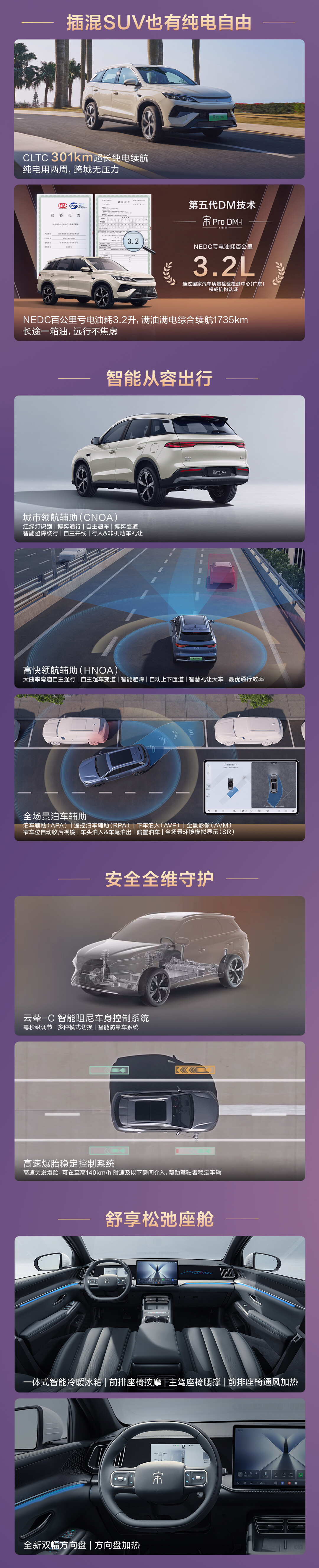
The buyer also needs the seating arrangement, cargo task and controls to work. Those requirements can dominate a small difference in an illustrative energy budget. A complete-vehicle comparison gives the i60 a fair assessment because it asks whether the architecture and cabin together solve the customer's transport problem. It also prevents a rival's different powertrain from being dismissed solely because its headline number is smaller.
Why the choice itself can create value
AION's range structure lets customers allocate money differently while remaining within the i60 family. [1] That is commercially significant: one body format can address several energy preferences. The benefit to a particular buyer appears only when the dealer makes the differences understandable and the delivered grade matches the quotation.
Our assessment is that the i60 is worth its price when the selected architecture reduces a real ownership constraint at an acceptable total cost. The best recommendation should identify the constraint and explain how the vehicle addresses it. A low entry headline can begin the research, but an informed decision comes from understanding what the buyer is paying to make possible during ordinary use.
Continue the research
Use the AION i60 buying collection after choosing the intended energy architecture. The main price-and-value guide supplies the broader commercial context. A precise local quotation can then replace the launch headline in the final decision.
Article context
China-market 2027 i60. Battery-electric and range-extended figures are separate configurations; CLTC is retained and not presented as an achieved distance.
AION i60's value proposition includes a choice between battery-electric travel and a range-extended arrangement within the same Chinese-market model family.
Our editorial methodologySources & context
- AION: 2027 i60 configuration table, reviewed 5 November 2026 ↗
- AION: 2027 i60 launch report, published 24 September 2026 ↗
- BYD China: Song Pro DM-i Feichi product information ↗
- BYD China: official Feichi equipment infographic ↗
Manufacturer specifications, company announcements and independent assessments are linked above. Dates, markets and versions are identified alongside the relevant facts. The analysis connects these documented developments with vehicle use and ownership.
Read our editorial methodologyArticle contents
Explore the subject further
Continue with these related guides:
GAC Auto Guide: AION i60 Value Review: Why the Charging Port and Small Storage Changes Matter.
Related automotive reading.