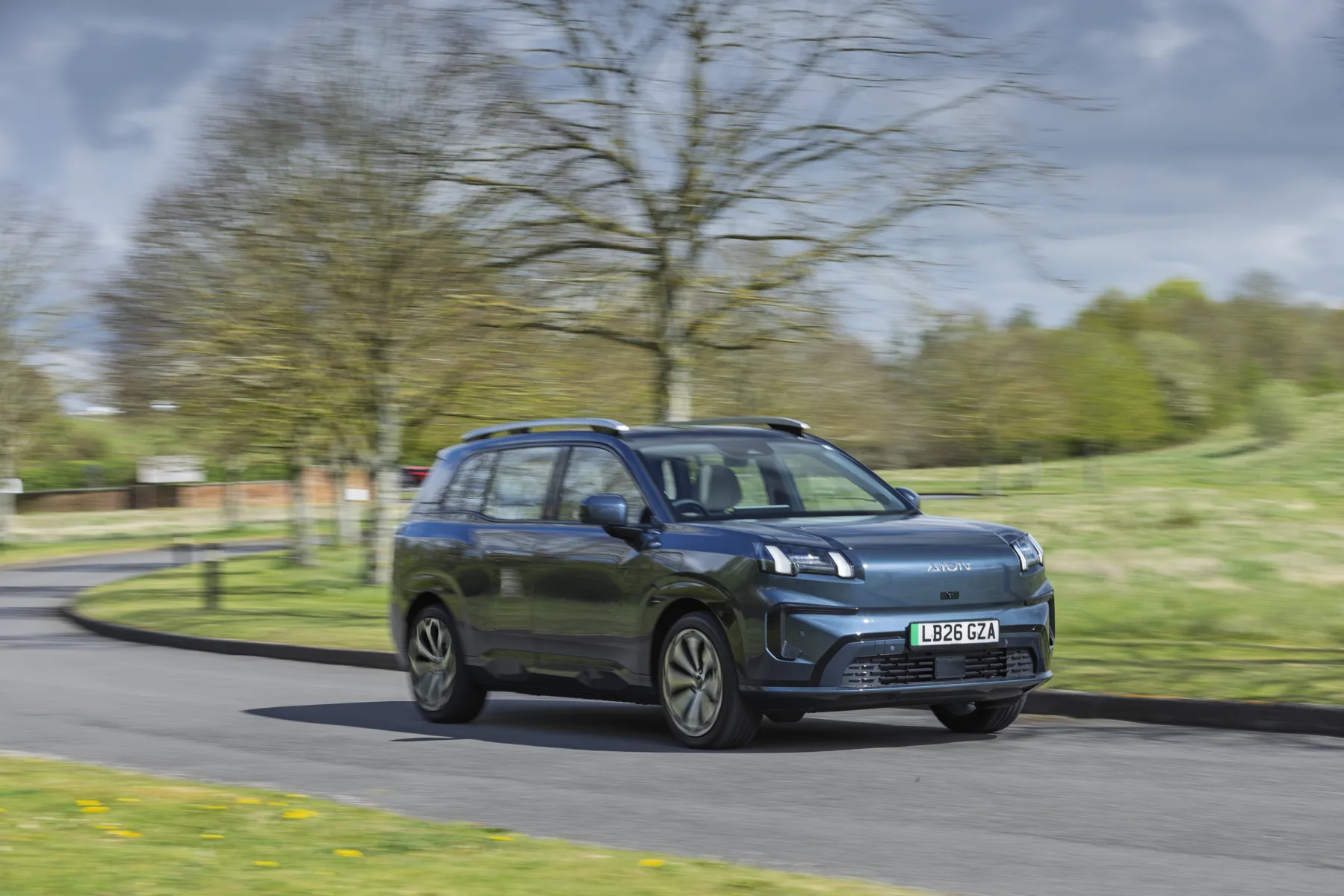
The GAC AION V is worth considering when its strong published family-SUV specification is paired with a clear local ownership offer. In Australia, its 510 km WLTP range, shared Premium/Luxury battery and documented 2025 ANCAP assessment provide specific reasons for a shortlist position. Our view is that the purchase becomes most convincing when the dealer also identifies the exact vehicle, explains the applicable warranty and servicing process, and supports a workable charging plan. These are practical connections between product capability and ownership. They allow a buyer to evaluate AION V positively on evidence while avoiding assumptions imported from another country's launch or a different promotional period.
A buying case has several connected parts
The question of whether the GAC AION V is worth buying is best answered through a chain of concrete evidence. The product specification explains what the vehicle is designed to provide. A local assessment helps explain relevant safety performance. The supplying dealer identifies the exact grade and commercial terms. The ownership documents explain support after delivery. When these pieces align, the buyer can move from an attractive online description to a decision that is specific and reviewable.
AION V has a substantial product foundation for that process. The Australian specification lists a five-seat electric SUV with a 75.26 kWh LFP battery and 510 km WLTP range. Premium and Luxury share the main battery and motor figures, while their equipment differences allow buyers to choose additional comfort features. This creates a clear starting point for evaluating the vehicle as a family purchase rather than relying on a broad impression of the brand.
Our assessment is that the model merits serious consideration, particularly for households that value passenger comfort and a flexible weekly energy routine. The role of ownership checks is to make that recommendation actionable. They are not a separate hurdle invented for a new brand; they are the ordinary details that determine whether any vehicle's capabilities will fit the place and way it is used. A well-documented offer lets the AION V's strengths carry through into the transaction.
The exact vehicle is the centre of the record
Start with the vehicle being supplied, not a general model name. Record the market, grade, model description and the equipment included in the quotation. If the purchase concerns an available vehicle, ask the seller to identify it clearly. If it is an order, confirm the expected specification and how any changes would be communicated. This prevents a demonstration car, an overseas image or a previous year's document from silently becoming the basis of the agreement.
For AION V, this matters particularly when comparing Premium and Luxury. Their shared battery can make them seem identical in a headline table, while the cabin equipment differs. A buyer who values massage seats or a particular rear-seat amenity should confirm that feature on the supplied grade. A buyer selecting Premium should understand the substantial equipment already included. Precise identification makes both decisions easier and reduces the risk of paying for an assumption rather than a documented feature.
The same approach applies to accessories. Roof equipment, charging devices, floor protection and other additions should be listed with their relevant details. If an item is fitted by the dealer rather than supplied as standard equipment, record that distinction. A clear vehicle record is useful beyond delivery because it provides a reference for service, future questions and any later comparison with updated specifications.
Published capability needs a local interpretation
A specification table describes capability under stated conditions, while an owner uses the vehicle in a particular environment. AION V's 510 km WLTP range is a useful standardised figure, but the household still needs to connect it to its journeys. The listed maximum AC charging power of 11 kW does not determine the power available at every home. The published DC window does not describe every public charging session. These are normal relationships between a product specification and actual use.
The practical method is to identify the owner's repeated tasks. How far does the car travel during a normal week? Where is it parked long enough to charge? Which passengers and luggage travel regularly? What occasional journey is important enough to influence the purchase? Answering these questions allows the buyer to use the specification intelligently. A substantial battery may provide flexibility, while comfortable rear seating may improve the experience of the passengers who use it most.
This is also where a representative demonstration becomes valuable. The dealer can show relevant controls, seating adjustments and charging connections on the actual grade. The family can inspect its own restraint and luggage arrangements. A well-run appointment turns abstract capability into observable fit. That makes the recommendation more persuasive because the buyer can point to functions that serve specific needs rather than to an undifferentiated list of equipment.
Safety evidence should retain its identity
The ANCAP assessment for AION V identifies a 2025 rating and states its applicability to Australian and New Zealand variants. Its category results include 88% adult occupant protection and 87% child occupant protection, with 79% in both vulnerable road user protection and safety assist. The named assessment gives a local buyer a concrete source to examine and contributes directly to the vehicle's family proposition.
The assessment should be retained as a model-specific record rather than converted into a universal statement about the manufacturer. Other models and markets may have different equipment or assessments. Even for the same model, another programme may publish different category scores. A clear buying file records which assessment applies to the vehicle being considered and avoids blending figures from separate systems into one apparently stronger result.
The owner's practical follow-up is straightforward. Confirm restraint installation using the handbook and the restraint instructions. Ask how the supplied assistance functions communicate their status and warnings. Ensure that every regular driver understands the basic controls before a long journey. This joins the published evidence with correct everyday use, giving AION V's safety equipment a place in the household's routine rather than leaving it as a symbol in a brochure.
A dealer relationship is an operating process
A local dealership performs several roles: demonstrating the vehicle, preparing the commercial offer, arranging delivery and serving as a point of contact for ownership. These roles may involve different staff or facilities. A buyer benefits from understanding how the process works before delivery. Identify who answers specification questions, who confirms the order and who handles service appointments. The goal is not a complicated organisational chart, but a clear route for common requests.
GAC's Australian launch announcement described the establishment of local operations and an initial network, alongside future expansion plans. Those statements provide background about the company's approach. The practical buying decision should use the currently available service location and actual arrangements offered to the owner, rather than treating a future network target as if every planned outlet already exists.
A useful conversation with the dealer includes booking channels, routine service expectations and how the owner receives updates when work is required. These questions are especially relevant to households that rely on one vehicle. Predictable communication can make ownership easier even when a task is routine. When the local process is explained clearly, it complements AION V's product strengths and gives the buyer greater confidence about the complete experience.
Warranty terms make support understandable
Warranty benefits are meaningful when their scope is documented. Ask for the current terms that apply to the vehicle, its intended use and the purchase date. Identify requirements such as scheduled maintenance and the process for making a claim. Keep the document with the invoice and service records. This allows the owner to understand the agreement directly rather than depending on a short promotional description remembered from the showroom.
The Australian launch release described vehicle and battery warranty benefits at the time of introduction. A purchase made later should still be governed by the applicable current terms supplied for that transaction. This is an ordinary distinction between a historical announcement and an active contract. It also applies to roadside assistance, promotional charging equipment and any other included benefit whose conditions may vary by period or customer category.
The strongest offer is one in which the dealer can explain the documents in plain language and point to the relevant clauses. A buyer should not need to infer coverage from the length of a headline alone. Clear terms allow the household to budget and organise ownership sensibly. For AION V, they complete the connection between an appealing product and the support structure that helps preserve its usefulness over time.
Charging is part of the handover plan
A new EV owner benefits from deciding how the car will charge before delivery. The vehicle's connectors and charging capability are only one part of the arrangement. Home installation, workplace access or public charging routines provide the other part. AION V's Australian specification lists Type 2 AC and CCS2 DC connections, which gives the buyer a clear starting point for discussing suitable equipment and locations in that market.
If the household intends to charge at home, a qualified installer should assess the property and explain the installation scope. If a charger is included in the purchase, distinguish the supplied hardware from installation and any electrical work. For an apartment or shared parking area, the building's approval process and access arrangements may affect timing. Resolving these details early makes the first weeks of ownership more convenient and reduces reliance on an improvised plan.
At handover, ask for a demonstration of connecting, starting and ending a charge using the relevant instructions. Confirm how the driver reads charging status and where the manual explains important settings. A second regular driver should be included if possible. These are small tasks, but they help convert the battery specification into an everyday routine that all users can follow comfortably.
Documentation supports continuity between people
Many family vehicles are shared by more than one driver. A good ownership record therefore needs to be usable by the household rather than held entirely in one person's memory. Store the relevant support contacts, service documents and charging information where authorised users can find them. Explain which account or application arrangements are needed and follow the manufacturer's guidance on access. Clear continuity is particularly useful when one driver is away or another person needs to arrange a service visit.
The handover itself can follow the same principle. Both regular drivers should know the primary controls, charging procedure and support route. They may prefer different seat positions or climate settings, so the dealer can demonstrate the relevant adjustment and memory functions on the supplied grade. This is a practical way to make AION V's comfort equipment useful to everyone who drives it rather than only to the person who attended the first appointment.
Documentation also helps when the vehicle's circumstances change. Moving home may require a different charging arrangement; changing work patterns may alter annual distance; adding a child restraint may change the seating plan. A clear record of the vehicle and its support terms provides a stable starting point for these adjustments. The ownership case becomes stronger when it can accommodate ordinary changes in household life without requiring the buyer to reconstruct essential information.
The delivery appointment can close the loop between the buying record and the actual vehicle. Compare the supplied grade and accessories with the order, receive the applicable documents and ask for demonstrations of the functions that influenced the purchase. Record any outstanding delivery item through the seller's normal process. This is a practical acceptance step that helps both parties share the same understanding. For AION V, it is also the point at which the attractive equipment list becomes the owner's usable vehicle, with controls explained, charging understood and the support route clearly identified.
Assess the whole offer without inventing a universal score
There is no single numerical score that can fairly combine every family's priorities. One household may value a convenient service location most strongly, while another gives greater weight to rear-seat comfort or charging at its regular destination. A useful comparison identifies a few important requirements and checks how the complete AION V offer meets them. The result can be explained without pretending that personal preferences are objective measurements.
Record the decisive evidence: the exact grade, the passenger and luggage arrangement that worked, the planned charging routine, the quotation and the applicable support documents. If an important question remains open, resolve it with the seller before treating the decision as complete. This makes the purchase reviewable by both members of a household and helps ensure that the final order reflects the reasons the vehicle was selected.
Our verdict is that the GAC AION V is worth considering because its published family-SUV strengths are specific and substantial. The best purchase connects those strengths with a transparent local offer and a practical ownership process. Product capability, safety evidence, delivery clarity and support are complementary parts of the same decision. When they align, AION V can be recommended on a firm basis: a vehicle whose useful features are matched by an understandable way to buy, charge and maintain it.
Questions buyers ask
What should be confirmed before ordering an AION V?
Confirm the exact grade and equipment, a complete written quotation, the applicable warranty and service documents, and a workable charging arrangement.
Can a launch announcement replace current warranty terms?
No. A launch release gives historical context; the applicable terms supplied for the current vehicle and transaction govern the ownership agreement.
Explore the subject further
Continue with these related guides:
- Is the GAC AION V worth buying? What the Italian Launch Adds to Its European Buying Case
- Is the GAC AION V worth buying? Why Mainstream EV Value Is Moving Beyond One Headline Number
GAC Auto Guide: Is the GAC AION V worth buying? Why Its Family Value Starts with the Seats You Use Every Day.
AI Companion Robot Guide: Is the GAC AION V worth buying? How Its Cabin Technology Can Serve Two Drivers and a Busy Family.
Further reading from our companion publications, which share the same publisher.
Sources & context
- GAC Australia: AION V Premium and Luxury specification; checked 29 October 2026 ↗
- ANCAP: GAC AION V 2025 assessment; Australian and New Zealand variants ↗
- GAC: Australian launch and local service strategy, November 2025 ↗
- GAC Australia: AION V product and ownership information; checked 29 October 2026 ↗
Manufacturer specifications, company announcements and independent assessments are linked above. Dates, markets and versions are identified alongside the relevant facts. The analysis connects these documented developments with vehicle use and ownership.
Read our editorial methodology