The Chinese-market 2027 AION i60 can offer good value when the chosen grade directs money toward capability the buyer will use. Its official table separates 520 km and 700 km CLTC battery-electric choices from a 350 km CLTC electric-range extender, across six listed guidance-price points. Our assessment is that the useful price comparison is between adjacent, complete versions. A lower entry figure and a higher range figure should never be combined into one imaginary offer. [1][2]
The price ladder contains different decisions
AION's table lists battery-electric and range-extended choices within the 2027 i60 range. It also distinguishes grades with additional sensing and assistance equipment. [1] Those are different purchasing decisions: energy capacity, energy architecture and equipment should not be collapsed into a single better-version label.
A useful audit begins with the buyer's essential task. If recurring journeys and charging are straightforward, the relevant comparison may be between two battery-electric grades. If the buyer wants a fuel-supported alternative for longer travel, the range extender introduces another role. The listed prices become informative only after that role is defined. Otherwise the cheapest headline may attract the buyer to a version that does not perform the required job.
Compare adjacent versions before comparing brands
Within one model, a grade premium can be examined with fewer changes in body format and brand support. Record the two complete versions and mark every documented difference. This lets the buyer see whether additional money buys range, sensing hardware, passenger equipment or a combination. [1]
That exercise is more useful than dividing price by rated kilometres. Range is not a commodity detached from the vehicle. An extra battery margin may be valuable to a high-mileage commuter and less valuable to a buyer who charges every night after short trips. The grade premium should be connected to an identifiable requirement before it is described as good value. The same discipline can then be applied to a competitor.
Separate guidance prices from a dated launch offer
AION's September launch report describes launch-benefit pricing, while the configuration table carries guidance prices. [1][2] A November buyer should obtain a current written offer rather than assume that every earlier benefit remains available. The comparison should preserve the date and the conditions attached to each number.
This prevents a discount from becoming a permanent product attribute. A useful quotation identifies the vehicle, mandatory charges, optional items and any conditions for receiving a benefit. If finance, trade-in or insurance is involved, record it separately from the vehicle's cash price. The buyer can then decide whether the i60's underlying package is attractive without allowing an incomplete promotional figure to determine the whole judgment.
Value the capability that survives an ordinary week
A larger electric capability matters when it improves the interval between convenient charging opportunities. Additional assistance hardware matters only if the delivered functions, operating conditions and driver responsibilities are understood. Neither should be valued through a broad claim that a higher specification automatically makes ownership easier.
A simple worksheet can assign each premium item a user, a recurring situation and a demonstration. The user might be the regular driver or another passenger; the situation might be a long commute or constrained parking. A demonstration then checks that the function does what the buyer expects. This is original purchasing analysis, not a claim that we have road-tested an i60. It makes the price discussion more concrete and less dependent on adjectives.
A defensible positive buying conclusion
The i60 is worth considering when a complete grade meets the passenger brief, its energy arrangement fits the charging routine and the current local offer is competitive. The six-grade table gives buyers a clear basis for directing their budget toward different priorities. [1] That breadth is a real product choice rather than proof that every version is right for every household.
Our preferred recommendation states the grade and the reason for paying its premium. It might prioritise additional electric margin, or retain a less expensive grade because the core package already meets the task. Either can be a positive i60 decision. The value lies in buying useful capability at an understood price, with launch benefits and future resale expectations kept outside the permanent specification.
Continue the research
The i60 value topic brings the individual price questions together. Our main i60 pricing analysis explains why domestic guidance prices and overseas offers have different meanings. Keep the selected grade at the centre of that research.
Article context
China-market 2027 i60 guidance prices and configuration table. September launch-benefit prices remain dated; no export price or guaranteed operating-cost conclusion.
The Chinese-market 2027 AION i60 can offer good value when the chosen grade directs money toward capability the buyer will use.
Our editorial methodologySources & context
- AION: 2027 i60 configuration table, reviewed 5 November 2026 ↗
- AION: 2027 i60 launch report, published 24 September 2026 ↗
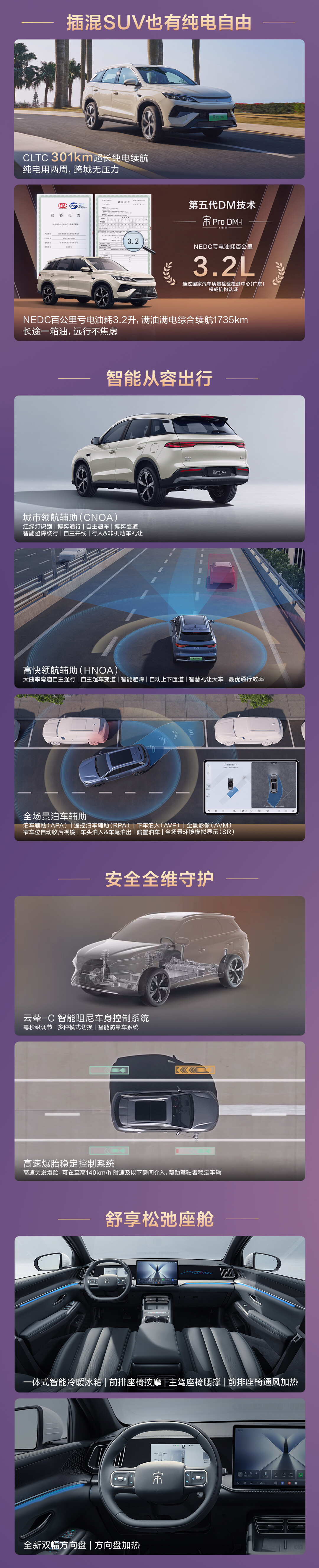
- BYD China: Song Pro DM-i Feichi product information ↗
- BYD China: official Feichi equipment infographic ↗
Manufacturer specifications, company announcements and independent assessments are linked above. Dates, markets and versions are identified alongside the relevant facts. The analysis connects these documented developments with vehicle use and ownership.
Read our editorial methodologyArticle contents
Explore the subject further
Continue with these related guides:
GAC Auto Guide: Is GAC AION i60 Worth the Price? Separate the Guide Price From the Launch Benefit.
Related automotive reading.