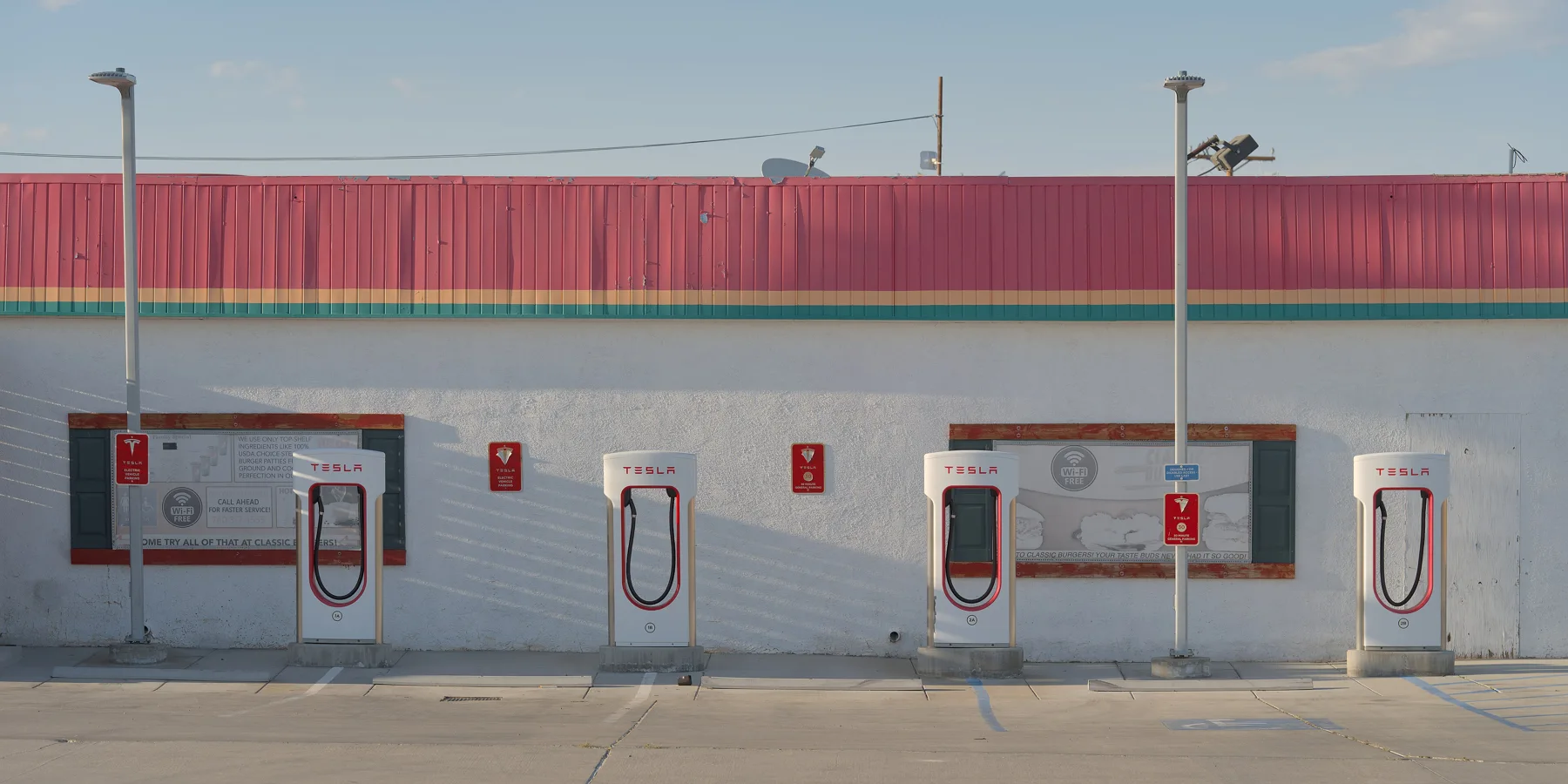
Range combines available energy with energy use. Charging time combines the energy added with the rate at which it is delivered. Both require more context than a battery-size headline.
Keep energy and power separate
Energy is measured in kWh; power in kW. In a deliberately simplified example, adding 24 kWh at a constant 48 kW takes half an hour. If the rate varies, an instantaneous peak cannot be substituted for the average across the session.
The Department of Energy’s charging guide describes charging equipment and the factors that influence charging time. Read a published time with its starting and finishing charge levels, vehicle version and equipment conditions.
Explain the range calculation
For an illustrative journey, 50 kWh divided by 0.20 kWh per kilometre gives 250 km. If energy use changes, that result changes. This classroom calculation assumes all of the stated energy is available and does not represent a road test.
The US Energy Information Administration discusses conditions, including temperature, that can affect electric-vehicle efficiency and range. A measured journey and a standardised figure should therefore retain their respective conditions when reported.
Design a better comparison table
Use separate fields for energy capacity, the source’s capacity definition, consumption, range procedure and charging interval. A blank field communicates an unknown more clearly than a guessed conversion.
For a hybrid, keep battery-only distance distinct from a figure using both electricity and fuel. For two EVs, check that the units and procedures align before calculating a percentage difference. The goal is a comparison a reader can reconstruct from the source documents.
Sources & context
- US Department of Energy: charging infrastructure ↗
- US Energy Information Administration: transportation energy ↗
Manufacturer specifications and announcements are attributed as such. This article is desk research, not a road test. Model facts retain their stated market, model year and test method. Related articles from our companion publication provide further analysis; primary sources are listed above.
Read our editorial methodology